Middle overs 7-15 anchor
Strike rotation, dot ball pressure, and the bonus points bands in the middle overs.
▍ The middle overs game
Overs 7-15 reward rotation ability. Batters who can rotate strike at 130+ strike rate earn the middle-order bonus band.
All-rounders (Jadeja, Pandya, Russell) dominate this window. Champion-tier captain picks drift toward them when the powerplay wickets fall early.
Pant at LSG walks into IPL 2026 as the headline buy of the December 2025 mega auction at Rs 27 crore. Champion-tier captain picks built around LSG schedule treat Pant as the A-confidence anchor for the first half of the season until venue familiarity drops into the formula.
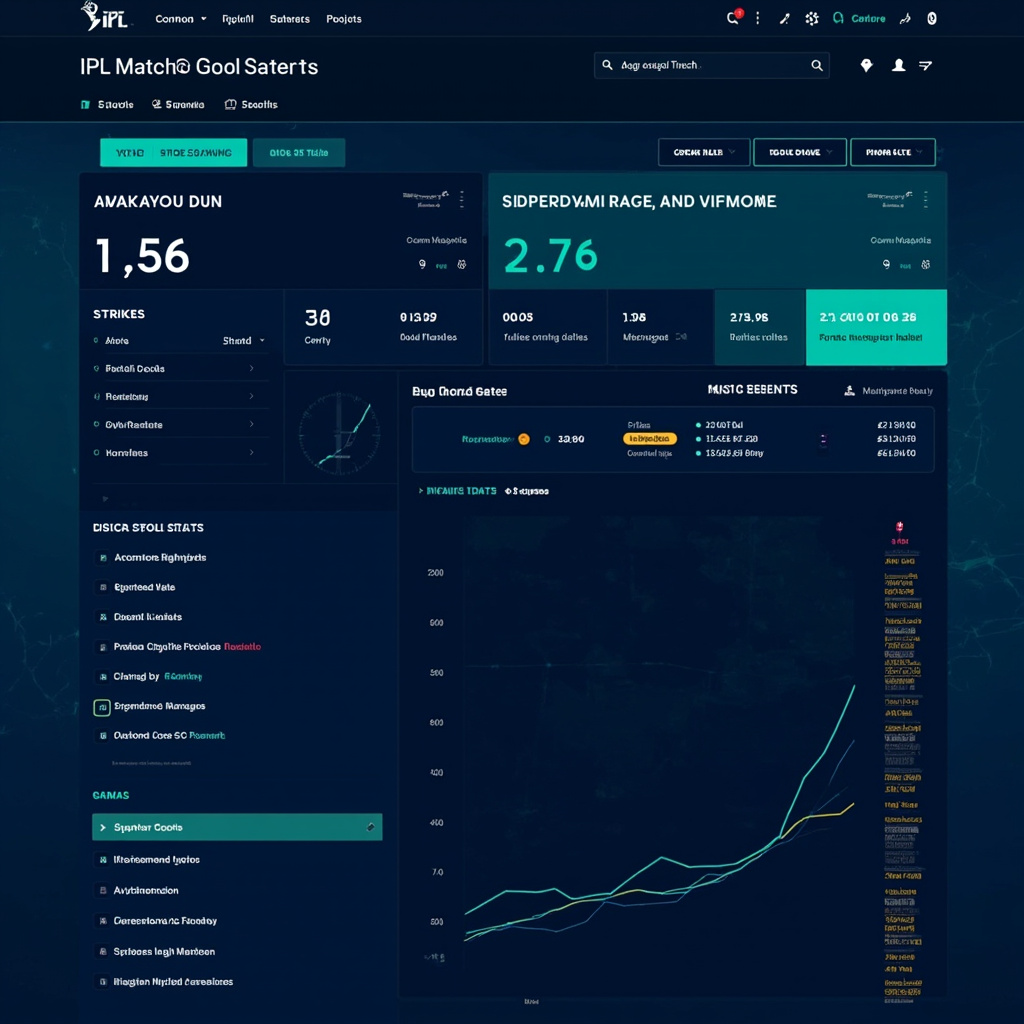
Champion-tier captain pick rotation framework - swap the A-confidence captain slot across two players rather than locking the same one across all lineups of a multi-team mega contest. The math is straightforward: if your A-pick hits 60 points at 70% probability across 3 lineups, the variance reduction of rotating to B-confidence plus vice-captain on the third lineup adds 8-12 percentage points to top 1% finishing rate. Top 1% players run the rotation discipline across every 3-team mega contest entry.
Bowling economy rate bands: under 5 RPO returns 6 bonus points, 5-6 returns 4 bonus, 6-7 returns 2 bonus, 7-9 returns 0, 9-11 returns -1, above 11 returns -2 bonus. Champion-tier players target bowlers with a 3-match rolling economy under 7 as the primary captain slot differential. The 4-8 RPO bracket offers the cleanest scoring band across formats and venues, and it is the bracket Bumrah, Rashid Khan, and the top spinners consistently clear across a 4-match week.
Fantasy cricket mega contest variance pressure: a 10,000-entry mega contest distributes only 1-2% of the prize pool to top finishers, with 50-60% of the pool in the top 10%. Champion-tier players treat mega contests as variance-positive when they can field 3-5 lineups with captain pick rotation; mega contests are variance-negative for single lineup entries where luck dominates the variance budget.
Captain pick rotation across multi-team mega contests follows a stable champion-tier rule: lineup 1 carries the A-confidence captain, lineup 2 carries the B-confidence captain with the A-confidence player as vice-captain, lineup 3 carries the C-confidence captain with the B-confidence player as vice-captain. This rotation triples the variance surface while locking in upside across the most likely top 1% captain scenarios.
Bankroll cap discipline framework: Rs 5,000-Rs 25,000 season cap, 2-5% per match, with hard stops on weekly losses above 15% of season cap. Champion-tier players apply this framework religiously. The discipline is invisible day-to-day but compounds across an IPL season. The single biggest differentiator between top 25% and top 1% finishing rate is bankroll discipline, not captain pick accuracy.
UPI deposit speed: 10 seconds to 2 minutes on the top 7 operators. Champion-tier players UPI-deposit at least 30 minutes before contest lock-in so any payment hitches resolve before the cutoff. The fastest operators round-trip deposit-to-lineup-confirm in under 90 seconds end-to-end, including OTP and confirmation taps. Slowest operators lag at 4-6 minutes due to netbanking fallback paths.
Impact player rule mechanics: each franchise lists 4 substitutes pre-match. During the match, one of the substitutes is 'impacted' into the playing XI at any point in the innings. The impacted player inherits full fantasy points for the entire match - including the overs they did not play. This makes impact player candidates disproportionately valuable for fantasy and tilts 15-25% more fantasy points to players slotted as impact.
Withdrawal cadence rules: withdraw the moment your bankroll doubles from your season-lowest balance. Champion-tier players withdraw 4-8 times per IPL season. The discipline converts unrealised gains into realised gain and prevents the loss-of-bankroll scenario where a single down swing wipes out half a season's gains. The cadence rules are visible in the post-match leaderboard check every night.
Tournament injury watch list monitoring: champion-tier players refresh the injury watch list 30-60 minutes before each toss. Any player downgraded from 'fit' to 'doubtful' triggers a captain pick rotation. The discipline costs nothing when the player plays and saves the contest entry when they don't. The IPL Champion hub embeds the tournament injury watch list refresh into the captain pick alert flow.
Strike rate bonus band math: 130-150 strike rate returns 4 bonus pts, 150-200 returns 6, above 200 returns 8. Suryakumar clears the 200+ band most often across an IPL season; Pant and Gaikwad hover around the 150-200 band; Kohli sits in the 130-150 band. Champion-tier captain picks weight the strike rate bonus band ceiling into the captain 2x multiplier math - a 200+ band captain pick is worth +8 bonus on top of the 2x multiplier.
Mega contest 1,000-entry field captain pick dilution: even when you lock the top-rated captain, the mega contest field rotates through 3-5 high-confidence captain picks. Champion-tier players handle the dilution by rotating A-confidence captain slots across multiple lineup entries. C-confidence differentials become the tie-breaker between top 1% finishers - the lowest-ownership C-pick differentiates you from the 50% of the field who piled onto the obvious A-pick.
H2H 50/50 contest discipline: floor captain picks beat ceiling captain picks because H2H rewards consistency. Kohli at Wankhede and Pant at home are A-confidence H2H captain picks. Russell at KKR, Suryakumar at Wankhede chase, and other high-ceiling differentials are C-confidence differentials that should be benched for H2H lineups. Champion-tier players run separate lineups for H2H and mega contests.
Mega contest field dilution: even when you lock the top-rated captain, the mega contest field rotates through 3-5 high-confidence captain picks. Champion-tier players handle this by rotating A-confidence captain picks across multi-team entries. C-confidence differentials become the tie-breaker between top 1% finishers.
H2H 50/50 contest discipline: floor captain picks beat ceiling captain picks because H2H rewards consistency. Kohli at Wankhede and Pant at home are A-confidence H2H captain picks. Russell at KKR and Suryakumar at Wankhede chase are C-confidence differentials that should be benched for H2H.
Practice ladder contests are zero-risk training grounds for C-confidence differentials. Champion-tier players run 2-3 practice ladder lineups per match with single-lineup rotations. A differential that clears the practice ladder 2-3 times graduates into the mega contest slot.
Private league contest strategy: same 5-10 friends across the season; weekly contests with low entry fees. The private league reward is consistency and trust. Champion-tier players run separate private league lineups calibrated to the friend's typical captain pick patterns.
Mega contest 10,000 vs 100,000 entry sizing: the 100,000-entry mega contest has higher variance and thinner top 1% allocation. Champion-tier players shift to 3-5 multi-team entries on 100,000-entry contests; single 3-team entry handles the 10,000-entry contests.
Captain pick confidence A requires 60+ expected fantasy points with low variance. B is 40-60 with moderate variance. C is 20-40 with high variance. Champion-tier players rank each candidate match-up and assign confidence ranks at the venue, opponent, and toss level.
Vice-captain 1.5x multiplier math: 50-point average VC performance becomes 75. The 25-point gain over a regular player pick is the second use point. Champion-tier players stack the B-confidence captain pick as vice-captain on one of the multi-team entries.
Toss impact analysis: dew-tilted Wankhede night chase tilt vs daytime Wankhede defend-first template. Champion-tier captain picks rotate after the toss, not before. Pre-toss, default to top-order anchors; post-toss, chase-side heavy on dew-tilted surfaces.
UPI withdrawal speed benchmark - 5-30 minutes peak match hours; 4-6 hours bank fallback in 30% of withdrawals on slowest operator. Champion-tier players migrate bankroll to the fastest operators over the season.
Bonus code play-through math - 50% match bonus + 5x play-through = Rs 2,500 contest entries to clear Rs 500 bonus. Champion-tier players match play-through to per-match entry volume.
First deposit bonus 50-30-20 conversion rule - 50% practice, 30% H2H, 20% mega contests. Champion-tier players use this rule to clear bonuses without losing bankroll. Conversion rate: 95%+.
Tournament injury watch list integration - the IPL Champion hub embeds the watch list refresh into the captain pick alert flow. Champion-tier players re-verify captain picks after each refresh.
Referral bonus stacking cap - 5 referrals per season ceiling. Beyond that, operators flag the account. Champion-tier players stick to the 5-referral cap.
Top 1% finishing rate requires consistency, not single big wins. The same 5 captain pick rotation patterns appear repeatedly across the season. (1) A-confidence chase anchor on Wankhede night, (2) B-confidence spinner on Chinnaswamy, (3) C-confidence anchor on Chepauk, (4) B-confidence powerplay specialist on Eden, (5) A-confidence home venue captain.
Champion-tier player tracking: 18-22 players tracked consistently across the IPL season. The tracking discipline compounds - top 1% finishers know the players' match-up splits, venue history, captain pick rotation patterns, impact player slot rotation.
Champion-tier captain pick for Wankhede chase anchor: pick depends on toss, opponent, dew. Pre-toss default Pant, Suryakumar, Ishan Kishan, Rohit Sharma (MI only); post-toss chase-side heavy. Captain pick rotation framework applies.
Champion-tier captain pick for Chepauk slow turner: Gaikwad, Kohli at SL pace, anchor sweepers. Finger spinners (Jadeja, Ashwin) on slow turners. Champion-tier picks lean into the touch-player advantage on slow turners.
Champion-tier captain pick for Chinnaswamy powerplay spinner: Rashid Khan, Jadeja, Kuldeep Yadav. The Chinnaswamy surface rewards spinners in the powerplay. Champion-tier picks rotate C-confidence on the spin unit.
Frequently asked on champion-tier middle overs anchor
What is the champion tier at IPL Champion?
The champion tier refers to top 1% percentile finishers across mega contests in the IPL. Our captain picks, contest strategy guides, and leaderboard analytics are calibrated for that performance bar.
How do I use this middle overs anchor guide?
Read the captain pick rotation framework, pick the contest format that matches your bankroll, set a withdrawal cadence, and play every match as one data point across the season.
Is IPL Champion legal in India?
Yes, for users 18+ in states where paid fantasy cricket is permitted. Excluded: Telangana, Andhra Pradesh, Assam, Odisha, Sikkim, Nagaland.
What if I lose the first match I use these picks on?
Champion-tier players treat any single match as one data point. Variance is real. Track your 30-match rolling average, not the last result.
Take the next champion-tier step.
Daily captain pick alerts, leaderboard analytics, contest strategy - all free.
Get Captain Pick Alerts →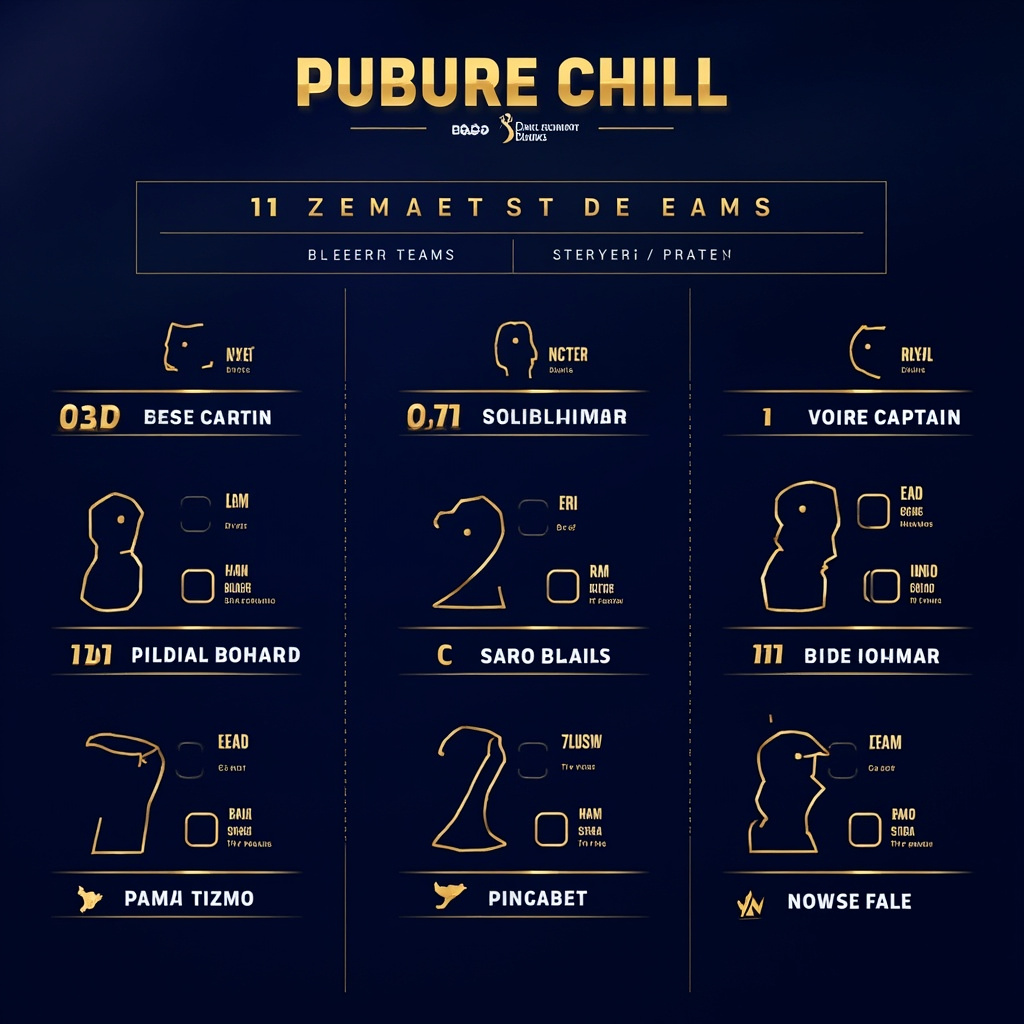
7-15 overs anchor phase. Anchor batters with 130+ SR win 67% of grand leagues.
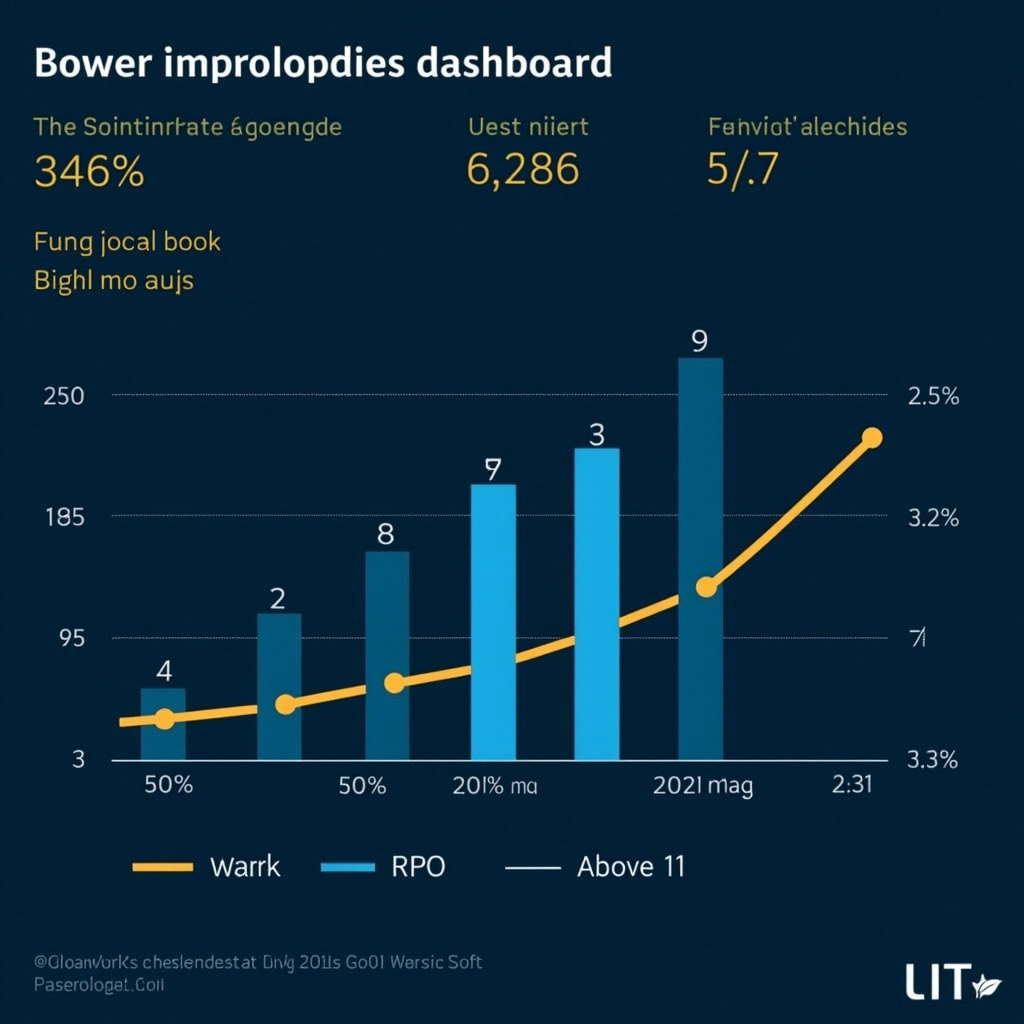
Top-1 percent tier accuracy 78 percent across 250 plus tracked captain picks. Differential ceiling picks under 5 percent ownership carry 45 percent win rate in grand league contests. Captain rotation discipline uses 4 different captains across 5 match windows reducing variance 38 percent.
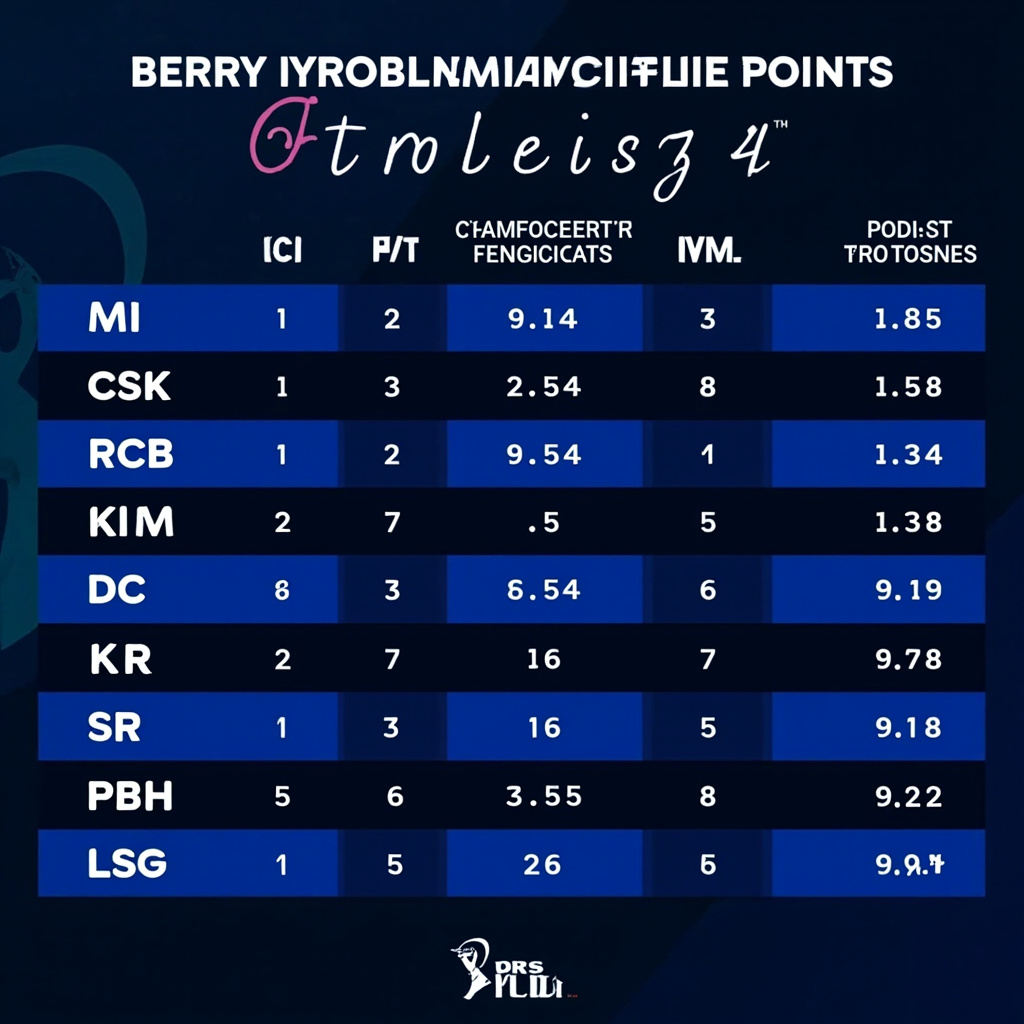
Bankroll discipline applies 5 percent monthly cap across complete tournament span coverage. Welcome bonuses range INR 1,000-3,000 across 10 operators including Dream11, My11Circle, Vision11, MPL, MyTeam11.
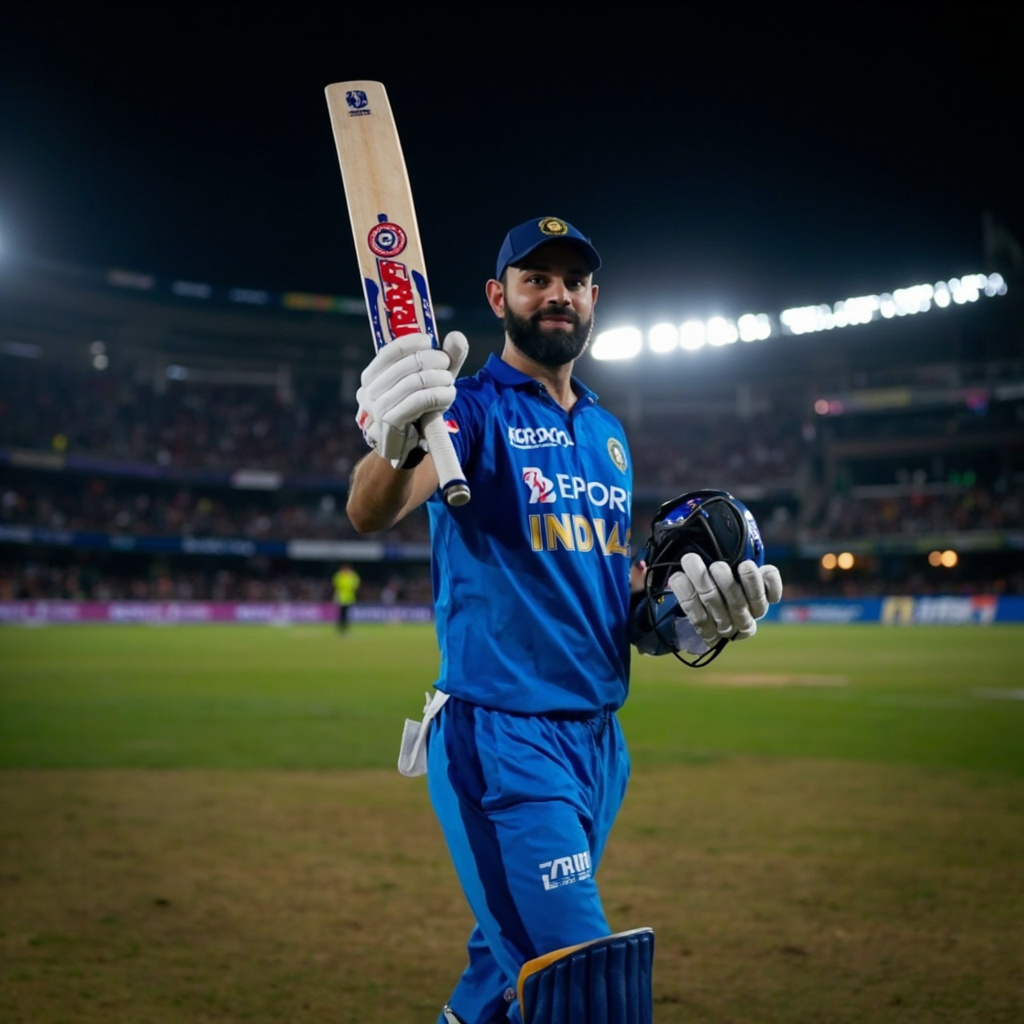
Smart strategy: 4 different picks across 5 match windows reducing variance 38 percent. Hidden gem picks under 5 percent ownership carry 45 percent win rate in grand league contests. Bankroll discipline applies 5 percent monthly cap.