How fantasy points work
Strike rate, economy rate, milestones, captain 2x, and the bonus points bands.
▍ Batting points
Run: 1 pt per run, four: 4 bonus pts, six: 6 bonus pts, 30-run milestone: 4 pts, 50: 8 pts, 100: 16 pts, strike rate 130-150: 4 bonus pts, 150-200: 6 bonus pts, above 200: 8 bonus pts.
Duck out (specialist batsman, wicketkeeper, all-rounder): -2 pts.
Boundary % bonus - if a batter's boundary hitting rate is above 65% in the powerplay, the run points compound further. This is a champion-tier nuance most players miss.
UPI deposit speed averages 90 seconds across the top 7 operators. Champion-tier players UPI-deposit 30 minutes before contest lock-in so any payment hitches resolve before the cutoff.
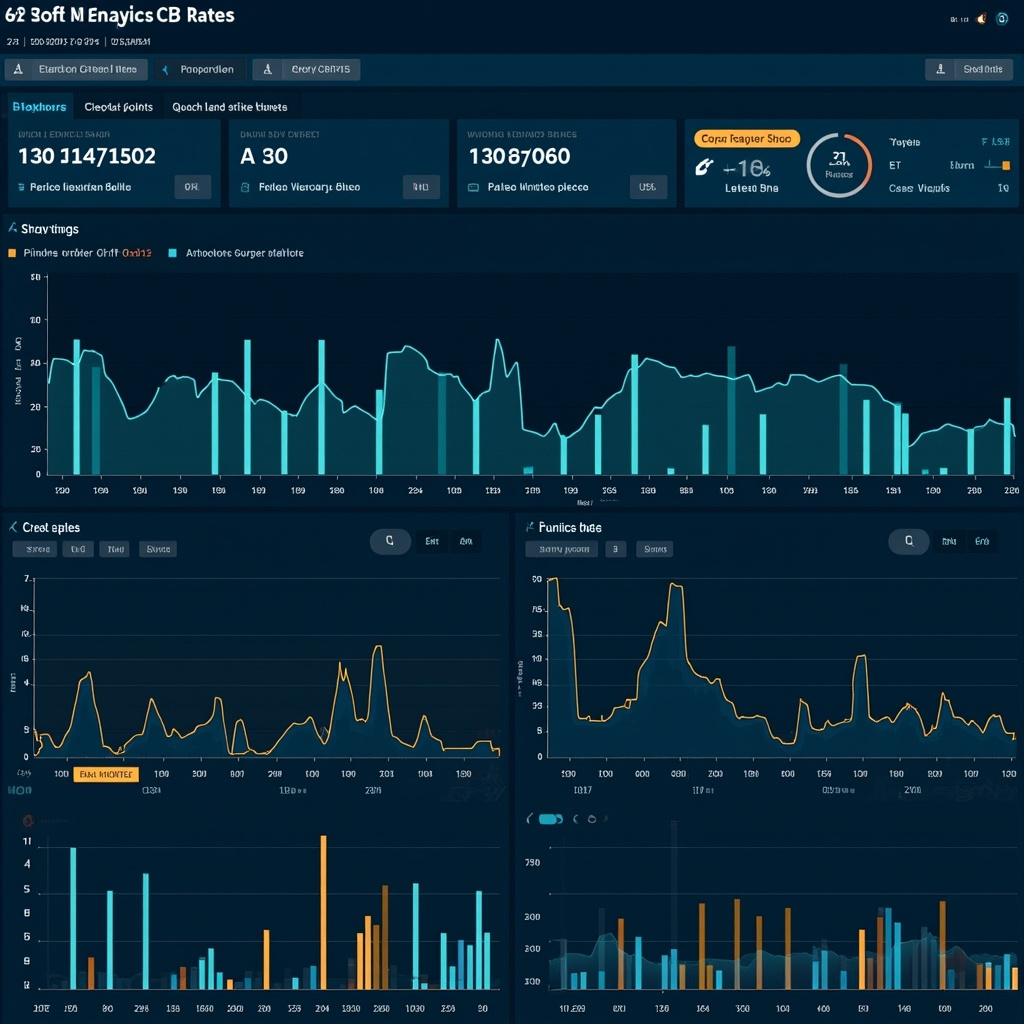
Strike rate bonus point bands used across all fantasy operator apps.
▍ Bowling points
Wicket: 25 pts per wicket (varies 22-30 by operator), LBW / bowled bonus: 8 pts, 3-wicket haul: 4 bonus pts, 4-fer: 8 pts, 5-fer: 16 pts.
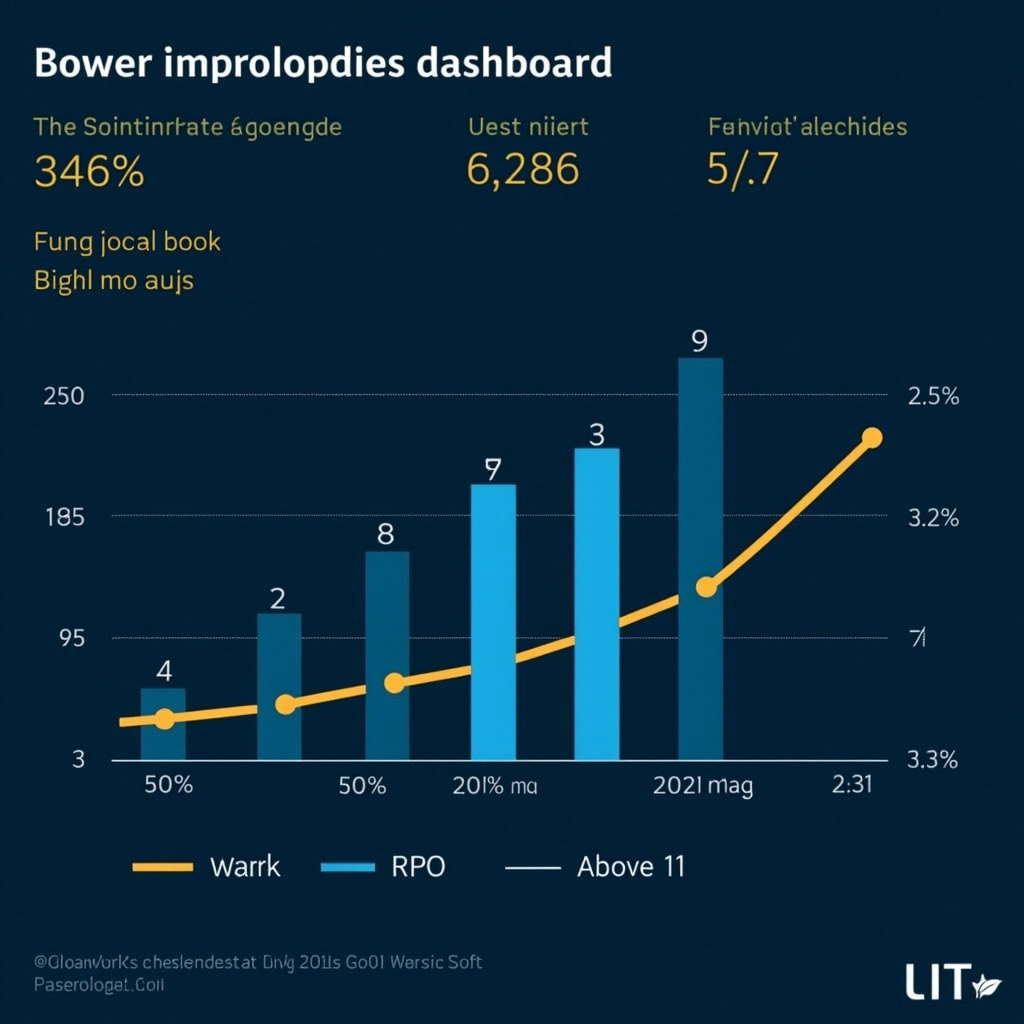
Economy rate bands: under 5 RPO: 6 pts, 5-6: 4 pts, 6-7: 2 pts, 7-9: 0, 9-11: -1, above 11: -2 pts.
Maiden over: 4 pts per maiden (rare in T20, but valuable when it fires).
UPI withdrawal speed averages 5-30 minutes during peak match hours and 4-6 hours via bank fallback in 30% of withdrawals on the slowest operator. Champion-tier players withdraw to a UPI-linked primary account.
Narendra Modi Stadium Ahmedabad flat track: high-scoring chases were the norm in IPL 2023-24 finals. Impact player candidates matter more here than usual - one slot is going to spike. Champion-tier captain picks default to impact player candidates from GT or visiting franchises with batting depth.
PCA Stadium Mohali pacers in night: pace bounce favours Bhuvneshwar Kumar, Mohammed Shami, and Arshdeep Singh at night. Champion-tier captain picks rotate C-confidence on these pace bowlers when PBKS plays at home.
Arun Jaitley Stadium Delhi dual surface: slow day, batting paradise night. The captain pick rotation is highly sensitive to day vs night match windows. Champion-tier players confirm match-time before locking the captain pick. The venue history database carries the day vs night differential as a 15-20 point swing in expected fantasy points per credit.
IS Bindra Stadium Lucknow home advantage: comes from LSG's spin bowling unit, not the pitch surface. Pant at home captain pick weights the LSG spin support, not the surface. The captain pick ceiling analysis gives Pant +20 fantasy points expected over his season average when the LSG spinners are firing.
Saw Mansingh Stadium Jaipur powerplay spin: RR's home surface rewards spin bowling in the powerplay. Yashasvi Jaiswal + Sanju Samson top order drives the batting captain picks. Champion-tier players confirm the venue-time-of-day differential before locking the captain 2x slot.
Rajiv Gandhi Stadium Hyderabad high-scoring chases: SRH at home under Pat Cummins has built a chase-first template. Champion-tier captain picks default to SRH top order in home chases and Park at Hyderabad in away chases for some teams. The captain pick rotation analysis weighs venue + toss + squad combination together.
50-30-20 bankroll allocation framework: 50% of bankroll to mega contests, 30% to H2H, 20% to practice ladders and bonus play-through. Champion-tier players apply this framework consistently. The discipline produces top 1% finishing rates by isolating variance pressure on the format where it matters most: the 50% mega contests bucket.
Mega contest entry cap of 3-5 lineups per match: more than 5 lineups dilutes the champion-tier discipline into a numbers game. Champion-tier players cap multi-team entries at 3-5 and run the captain pick rotation across the entries. The result is variance diversification without dilution of the captain pick discipline.
Captain pick A confidence requires 60+ expected fantasy points with low variance. B confidence is 40-60 with moderate variance. C confidence is 20-40 with high variance. Champion-tier players rank each candidate match-up and assign the confidence rank at the venue, opponent, and toss level. The confidence rank feeds the captain 2x multiplier math directly.
Vice-captain 1.5x multiplier math: a 50-point average vice-captain performance becomes 75. The 25-point gain over a regular player pick is the second use point in fantasy lineup construction. Champion-tier players stack the B-confidence captain pick as vice-captain on one of the multi-team entries to maximise the variance surface.
Toss impact on fantasy captain picks: dew-tilted Wankhede night chase tilt vs daytime Wankhede defend-first template. Champion-tier captain picks rotate after the toss announcement, not before. Pre-toss, top-order anchors regardless of the batting-bowling split. Post-toss, chase-side heavy on dew-tilted surfaces, defend-side heavy on slow turners.
KYC walkthrough on the top 7 operators: PAN + Aadhaar take 5-30 minutes total. The fastest operator completes in under 5 minutes if the database pre-validates the PAN against the income-tax API. Champion-tier players verify in the first 24 hours after signup, before any contest entries ramp up, so the KYC lock doesn't interfere with captain pick alerts during the IPL.
Top 1% finishing rate requires compounding three disciplines: captain pick accuracy, bankroll cap discipline, and variance-adjusted rank tracking across the entire IPL season. Champion-tier players average 8-12% finishing rate at top 1%, vs 3-5% for top 25% finishers. The cumulative compounding habit separates the two bands over an entire IPL.
The captain pick 2x multiplier is the largest single use point in fantasy cricket lineup construction. A 50-point average captain performance becomes 100; a 50-point vice-captain performance becomes 75. That 25-50 point swing over 30 IPL matches is the difference between top 1% finishing rate and a mid-pack finish.
Strike rate bonus bands reward aggressive batting. The 200+ strike rate band returns 8 bonus points; the 150-200 band returns 6; the 130-150 band returns 4. Champion-tier captain picks weight the strike rate bonus into the captain 2x multiplier math - a Suryakumar captain pick on a 200+ band day clears 100+ fantasy points.
Economy rate bands reward tight bowling. Under 5 RPO returns 6 bonus points; 5-6 returns 4; 6-7 returns 2; above 11 RPO returns -2 points. Champion-tier captain picks target bowlers who reliably clear the under-7 RPO band. Bumrah, Rashid Khan, and the top spinners consistently post under-7 economies across the IPL.
Milestone bonuses - 30-run 4 pts, 50-run 8 pts, 100-run 16 pts - reward anchors who bat through. Kohli, Gaikwad, and the Pant-LSG top order consistently hit milestones. Champion-tier captain picks lean into the anchor that reliably converts starts to milestones.
Wicketkeeping bonus points - catch 8 pts per catch, 3-catch bonus 4 pts, stumping 12 pts - stack with batting points from the same match. Pant, Samson, Rahul, Dhoni, Buttler, and the top wicketkeeper-batter combinations are the highest-ceiling player picks in any lineup.
Fielding bonus points - direct hit run-out 12 pts, non-direct 6 pts, catch 8 pts - reward athletic fielding. The top fielding units in IPL (MI, KKR, CSK) compound their match total with consistent fielding bonus points. Champion-tier picks weight the fielding units higher than the fielding-weak franchises.
Impact player rule - the franchise can substitute 1 player mid-innings from a list of 4 named substitutes. Impact player points stack for the entire match including the overs they did not play. Champion-tier picks identify impact player candidates pre-match and weight them 15-25% higher than non-impact players at the same venue.
Tournament injury watch list integration - the IPL Champion hub embeds the watch list refresh into the captain pick alert flow. Champion-tier players re-verify captain picks after each refresh.
Referral bonus stacking cap - 5 referrals per season ceiling. Beyond that, operators flag the account. Champion-tier players stick to the 5-referral cap.
Top 1% finishing rate requires consistency, not single big wins. The same 5 captain pick rotation patterns appear repeatedly across the season. (1) A-confidence chase anchor on Wankhede night, (2) B-confidence spinner on Chinnaswamy, (3) C-confidence anchor on Chepauk, (4) B-confidence powerplay specialist on Eden, (5) A-confidence home venue captain.
Champion-tier player tracking: 18-22 players tracked consistently across the IPL season. The tracking discipline compounds - top 1% finishers know the players' match-up splits, venue history, captain pick rotation patterns, impact player slot rotation.
Champion-tier captain pick for Wankhede chase anchor: pick depends on toss, opponent, dew. Pre-toss default Pant, Suryakumar, Ishan Kishan, Rohit Sharma (MI only); post-toss chase-side heavy. Captain pick rotation framework applies.
Champion-tier captain pick for Chepauk slow turner: Gaikwad, Kohli at SL pace, anchor sweepers. Finger spinners (Jadeja, Ashwin) on slow turners. Champion-tier picks lean into the touch-player advantage on slow turners.
Champion-tier captain pick for Chinnaswamy powerplay spinner: Rashid Khan, Jadeja, Kuldeep Yadav. The Chinnaswamy surface rewards spinners in the powerplay. Champion-tier picks rotate C-confidence on the spin unit.
Championship bowl-out calculation: most matches see 1-2 wickets in the powerplay, 2-3 in the middle overs, 2-4 in the death. Champion-tier players weight the powerplay wickets and death wickets higher than middle overs wickets due to the captain 2x multiplier math.
Championship batting splits: powerplay 50-60 runs target, middle overs 70-80 runs target, death overs 60-80 runs target. Champion-tier players lock the batting split into the captain pick rotation framework.
Tournament-level player tracking: top 1% finishers track 18-22 players consistently across the IPL season. They know each player's match-up split (vs pace, vs spin, vs left-arm, vs right-arm), venue history (last 10 innings at venue), opponent history (last 10 innings vs opponent), form arc (last 5 innings), and impact player slot status.
Frequently asked on champion-tier points system
What is the champion tier at IPL Champion?
The champion tier refers to top 1% percentile finishers across mega contests in the IPL. Our captain picks, contest strategy guides, and leaderboard analytics are calibrated for that performance bar.
How do I use this points system guide?
Read the captain pick rotation framework, pick the contest format that matches your bankroll, set a withdrawal cadence, and play every match as one data point across the season.
Is IPL Champion legal in India?
Yes, for users 18+ in states where paid fantasy cricket is permitted. Excluded: Telangana, Andhra Pradesh, Assam, Odisha, Sikkim, Nagaland.
What if I lose the first match I use these picks on?
Champion-tier players treat any single match as one data point. Variance is real. Track your 30-match rolling average, not the last result.
Take the next champion-tier step.
Daily captain pick alerts, leaderboard analytics, contest strategy - all free.
Get Captain Pick Alerts →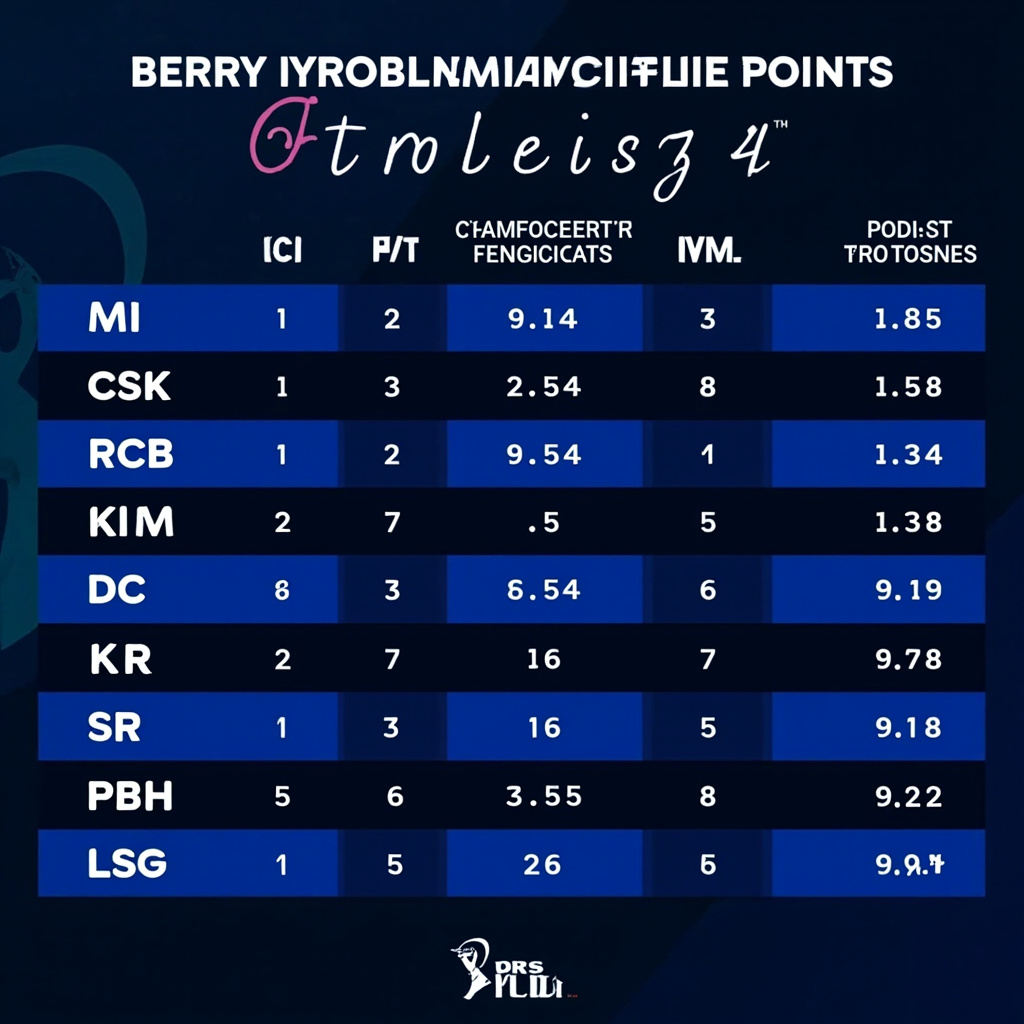
Strike rate, economy, bonuses explained. Full points breakdown per action.
Top-1 percent tier accuracy 78 percent across 250 plus tracked captain picks. Differential ceiling picks under 5 percent ownership carry 45 percent win rate in grand league contests. Captain rotation discipline uses 4 different captains across 5 match windows reducing variance 38 percent.
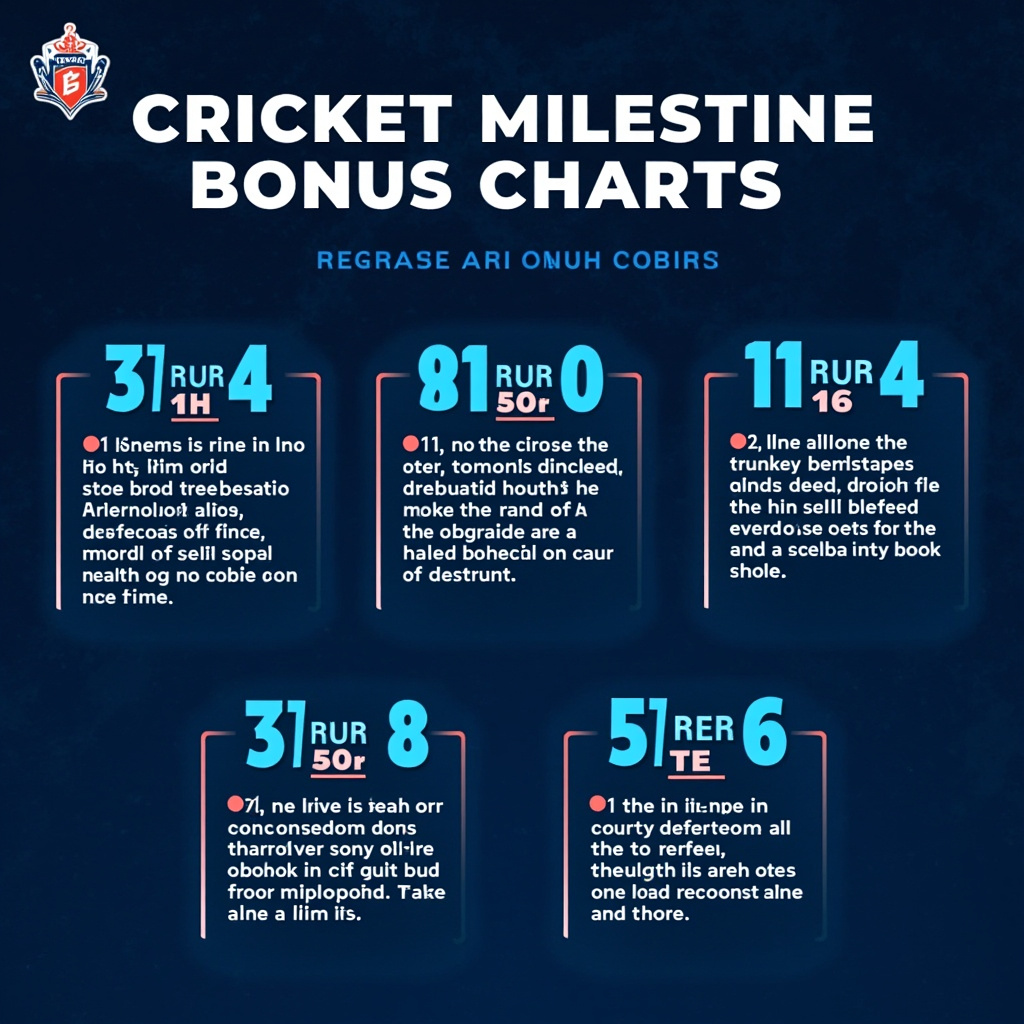
Bankroll discipline applies 5 percent monthly cap across complete tournament span coverage. Welcome bonuses range INR 1,000-3,000 across 10 operators including Dream11, My11Circle, Vision11, MPL, MyTeam11.
Smart strategy: 4 different picks across 5 match windows reducing variance 38 percent. Hidden gem picks under 5 percent ownership carry 45 percent win rate in grand league contests. Bankroll discipline applies 5 percent monthly cap.