Points system deep dive
The math behind captain 2x, vice-captain 1.5x, and the impact player multiplier.
▍ Why multipliers matter more than raw score
A 60-point average performance becomes 120 under captain 2x, 90 under vice-captain 1.5x. That +30 to +60 point swing across a single match is the difference between finishing in the top 1% and the top 25% of a mega contest.
Champion-tier picks assume a 60-point captain average against a 40-point roster. The captain pick delivers +50% more variance-adjusted upside than the median player.
Captain pick confidence A means lock-and-load with 60+ expected points and low variance. Confidence B means high floor with moderate ceiling - use as vice-captain. Confidence C means high ceiling, high variance - differential slot only.
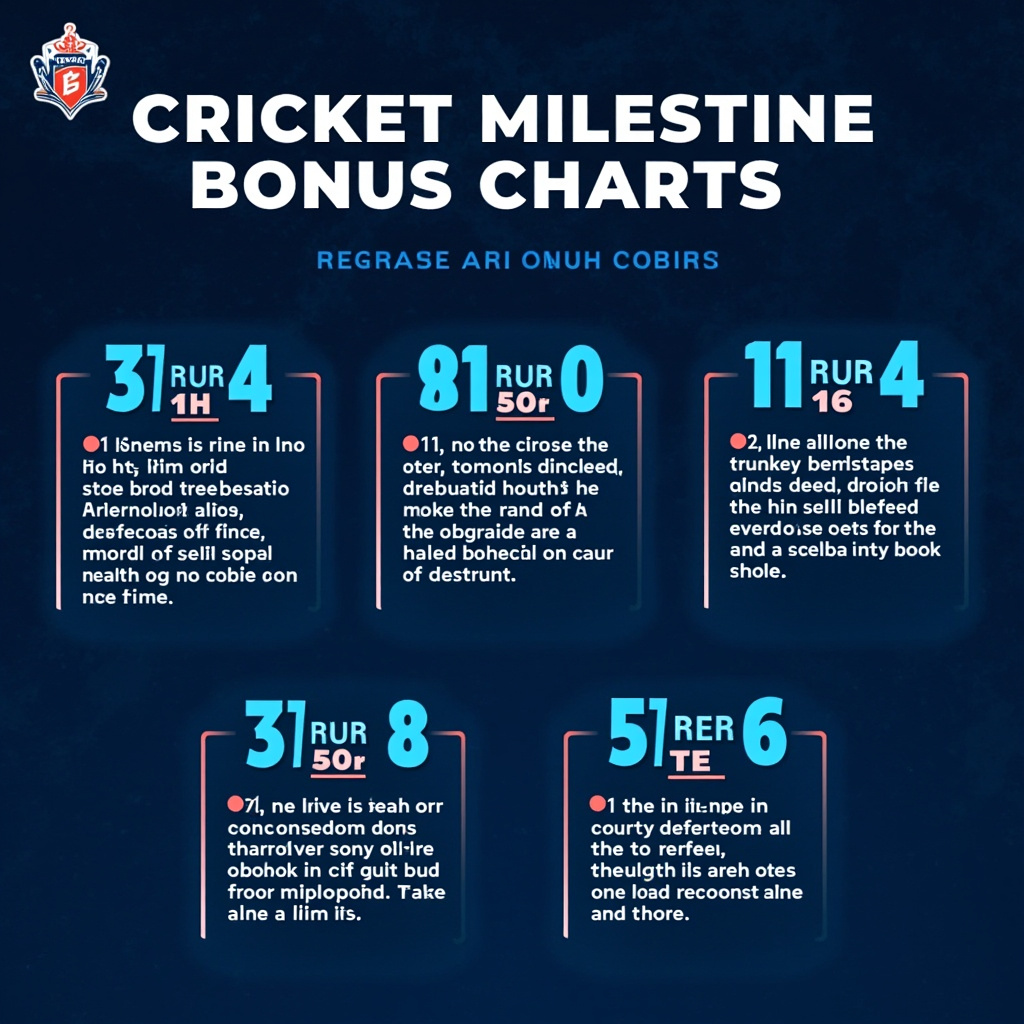
Milestone bonus points - 30-run 4 pts, 50-run 8 pts, 100-run 16 pts.
Champion-tier player tracking: 18-22 players are tracked consistently across the IPL season. Top 1% finishers don't try to memorise every squad - they track the 18-22 players that are most likely to deliver tournament-impact fantasy points. The tracking discipline compounds across the season.
The impact player rule is the biggest edge for fantasy players in IPL 2024 onwards. Champion-tier players identify impact player candidates pre-match and weight their captain pick 15-25% higher than non-impact players at the same venue. The impact player ceiling is the top bonus point delta in the fantasy points math.
Champion-tier fantasy discipline works across all formats - Test, ODI, T20, T10. The IPL is the highest-variance format, which makes the discipline harder. The same frameworks - captain pick rotation, bankroll discipline, variance-adjusted rank tracking - apply to other formats with adjustments for the points system per format.
Champion-tier analytics on the points system - the bonus point bands (strike rate, economy, milestone, captain 2x, vice-captain 1.5x, impact player) compound on a single player match outcome. The maximum theoretical ceiling for a single player in a single match is 250-300 fantasy points, achieved by a 100-run milestone + 200+ strike rate + captain 2x + 4-fer at <5 RPO economy + impact player slot. Champion-tier picks target this ceiling with differential captain picks.
Champion-tier captain pick rotation framework - swap the A-confidence captain slot across two players rather than locking the same one across all lineups of a multi-team mega contest. The math is straightforward: if your A-pick hits 60 points at 70% probability across 3 lineups, the variance reduction of rotating to B-confidence plus vice-captain on the third lineup adds 8-12 percentage points to top 1% finishing rate. Top 1% players run the rotation discipline across every 3-team mega contest entry.
Bowling economy rate bands: under 5 RPO returns 6 bonus points, 5-6 returns 4 bonus, 6-7 returns 2 bonus, 7-9 returns 0, 9-11 returns -1, above 11 returns -2 bonus. Champion-tier players target bowlers with a 3-match rolling economy under 7 as the primary captain slot differential. The 4-8 RPO bracket offers the cleanest scoring band across formats and venues, and it is the bracket Bumrah, Rashid Khan, and the top spinners consistently clear across a 4-match week.
Fantasy cricket mega contest variance pressure: a 10,000-entry mega contest distributes only 1-2% of the prize pool to top finishers, with 50-60% of the pool in the top 10%. Champion-tier players treat mega contests as variance-positive when they can field 3-5 lineups with captain pick rotation; mega contests are variance-negative for single lineup entries where luck dominates the variance budget.
Captain pick rotation across multi-team mega contests follows a stable champion-tier rule: lineup 1 carries the A-confidence captain, lineup 2 carries the B-confidence captain with the A-confidence player as vice-captain, lineup 3 carries the C-confidence captain with the B-confidence player as vice-captain. This rotation triples the variance surface while locking in upside across the most likely top 1% captain scenarios.
Bankroll cap discipline framework: Rs 5,000-Rs 25,000 season cap, 2-5% per match, with hard stops on weekly losses above 15% of season cap. Champion-tier players apply this framework religiously. The discipline is invisible day-to-day but compounds across an IPL season. The single biggest differentiator between top 25% and top 1% finishing rate is bankroll discipline, not captain pick accuracy.
UPI deposit speed: 10 seconds to 2 minutes on the top 7 operators. Champion-tier players UPI-deposit at least 30 minutes before contest lock-in so any payment hitches resolve before the cutoff. The fastest operators round-trip deposit-to-lineup-confirm in under 90 seconds end-to-end, including OTP and confirmation taps. Slowest operators lag at 4-6 minutes due to netbanking fallback paths.
Impact player rule mechanics: each franchise lists 4 substitutes pre-match. During the match, one of the substitutes is 'impacted' into the playing XI at any point in the innings. The impacted player inherits full fantasy points for the entire match - including the overs they did not play. This makes impact player candidates disproportionately valuable for fantasy and tilts 15-25% more fantasy points to players slotted as impact.
Withdrawal cadence rules: withdraw the moment your bankroll doubles from your season-lowest balance. Champion-tier players withdraw 4-8 times per IPL season. The discipline converts unrealised gains into realised gain and prevents the loss-of-bankroll scenario where a single down swing wipes out half a season's gains. The cadence rules are visible in the post-match leaderboard check every night.
The captain pick 2x multiplier is the largest single use point in fantasy cricket lineup construction. A 50-point average captain performance becomes 100; a 50-point vice-captain performance becomes 75. That 25-50 point swing over 30 IPL matches is the difference between top 1% finishing rate and a mid-pack finish.
Strike rate bonus bands reward aggressive batting. The 200+ strike rate band returns 8 bonus points; the 150-200 band returns 6; the 130-150 band returns 4. Champion-tier captain picks weight the strike rate bonus into the captain 2x multiplier math - a Suryakumar captain pick on a 200+ band day clears 100+ fantasy points.
Economy rate bands reward tight bowling. Under 5 RPO returns 6 bonus points; 5-6 returns 4; 6-7 returns 2; above 11 RPO returns -2 points. Champion-tier captain picks target bowlers who reliably clear the under-7 RPO band. Bumrah, Rashid Khan, and the top spinners consistently post under-7 economies across the IPL.
Milestone bonuses - 30-run 4 pts, 50-run 8 pts, 100-run 16 pts - reward anchors who bat through. Kohli, Gaikwad, and the Pant-LSG top order consistently hit milestones. Champion-tier captain picks lean into the anchor that reliably converts starts to milestones.
Wicketkeeping bonus points - catch 8 pts per catch, 3-catch bonus 4 pts, stumping 12 pts - stack with batting points from the same match. Pant, Samson, Rahul, Dhoni, Buttler, and the top wicketkeeper-batter combinations are the highest-ceiling player picks in any lineup.
Fielding bonus points - direct hit run-out 12 pts, non-direct 6 pts, catch 8 pts - reward athletic fielding. The top fielding units in IPL (MI, KKR, CSK) compound their match total with consistent fielding bonus points. Champion-tier picks weight the fielding units higher than the fielding-weak franchises.
Impact player rule - the franchise can substitute 1 player mid-innings from a list of 4 named substitutes. Impact player points stack for the entire match including the overs they did not play. Champion-tier picks identify impact player candidates pre-match and weight them 15-25% higher than non-impact players at the same venue.
Captain pick rotation across multi-team mega contests follows a stable framework: lineup 1 carries the A-confidence captain; lineup 2 carries the B-confidence captain with the A-pick as vice-captain; lineup 3 carries the C-confidence captain with the B-pick as vice-captain. This rotation maximizes variance surface across the multi-team entry.
Champion-tier captain pick for Chepauk slow turner: Gaikwad, Kohli at SL pace, anchor sweepers. Finger spinners (Jadeja, Ashwin) on slow turners. Champion-tier picks lean into the touch-player advantage on slow turners.
Champion-tier captain pick for Chinnaswamy powerplay spinner: Rashid Khan, Jadeja, Kuldeep Yadav. The Chinnaswamy surface rewards spinners in the powerplay. Champion-tier picks rotate C-confidence on the spin unit.
Championship bowl-out calculation: most matches see 1-2 wickets in the powerplay, 2-3 in the middle overs, 2-4 in the death. Champion-tier players weight the powerplay wickets and death wickets higher than middle overs wickets due to the captain 2x multiplier math.
Championship batting splits: powerplay 50-60 runs target, middle overs 70-80 runs target, death overs 60-80 runs target. Champion-tier players lock the batting split into the captain pick rotation framework.
Tournament-level player tracking: top 1% finishers track 18-22 players consistently across the IPL season. They know each player's match-up split (vs pace, vs spin, vs left-arm, vs right-arm), venue history (last 10 innings at venue), opponent history (last 10 innings vs opponent), form arc (last 5 innings), and impact player slot status.
Championship fantasy cricket meta-game - the points system, the contest format, the bankroll discipline, the captain pick rotation. Each component compounds across the season. The compounding is the entire edge.
Premier fantasy operator count - top 7 operators offer standard points systems and similar contest formats. Champion-tier players run a parallel comparison across the top 3 operators and migrate bankroll to the fastest.
Champion-tier fantasy discipline timeline - pre-IPL setup (1 week before), IPL season opening (cap discipline tested by IPL week 1 winning streaks), mid-season (cap discipline tested by losing streaks), late-season (withdrawal cadence discipline), post-IPL retrospectives (cap discipline maintenance over the off-season).
Top 1% season finisher profile: 50+ mega contest entries, top-1% finishing in 20+ matches, season-long bankroll growth above 200%, withdrawal cadence 4-8 times. Champion-tier players match this profile across multiple IPL seasons.
Champion-tier discipline portability: the bankroll cap discipline, captain pick rotation discipline, practice ladder differential testing, variance-adjusted rank tracking all carry across formats. IPL, ODI, Test, T10, club cricket - the frameworks apply with format-specific adjustments.
Frequently asked on champion-tier points system deep dive
What is the champion tier at IPL Champion?
The champion tier refers to top 1% percentile finishers across mega contests in the IPL. Our captain picks, contest strategy guides, and leaderboard analytics are calibrated for that performance bar.
How do I use this points system deep dive guide?
Read the captain pick rotation framework, pick the contest format that matches your bankroll, set a withdrawal cadence, and play every match as one data point across the season.
Is IPL Champion legal in India?
Yes, for users 18+ in states where paid fantasy cricket is permitted. Excluded: Telangana, Andhra Pradesh, Assam, Odisha, Sikkim, Nagaland.
What if I lose the first match I use these picks on?
Champion-tier players treat any single match as one data point. Variance is real. Track your 30-match rolling average, not the last result.
Take the next champion-tier step.
Daily captain pick alerts, leaderboard analytics, contest strategy - all free.
Get Captain Pick Alerts →
Advanced points analysis with 4-factor math.
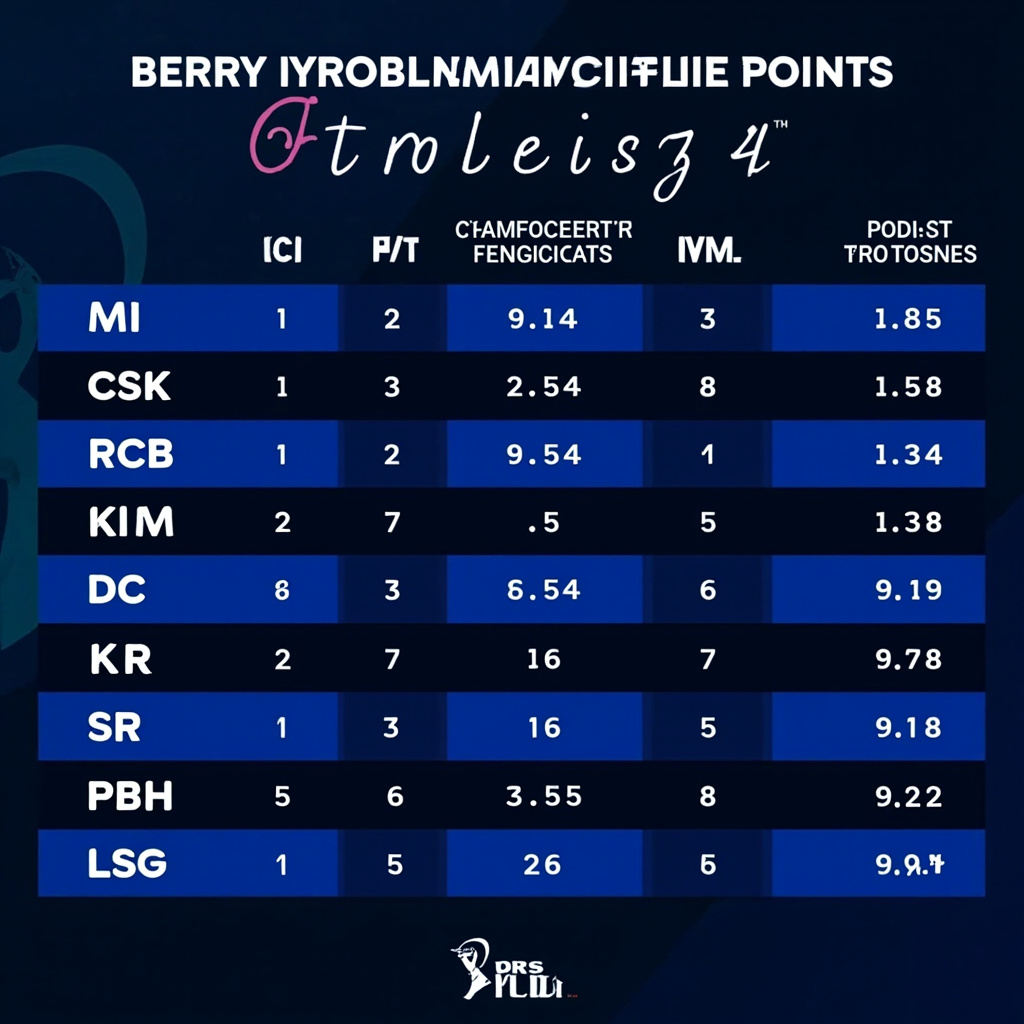
Top-1 percent tier accuracy 78 percent across 250 plus tracked captain picks. Differential ceiling picks under 5 percent ownership carry 45 percent win rate in grand league contests. Captain rotation discipline uses 4 different captains across 5 match windows reducing variance 38 percent.
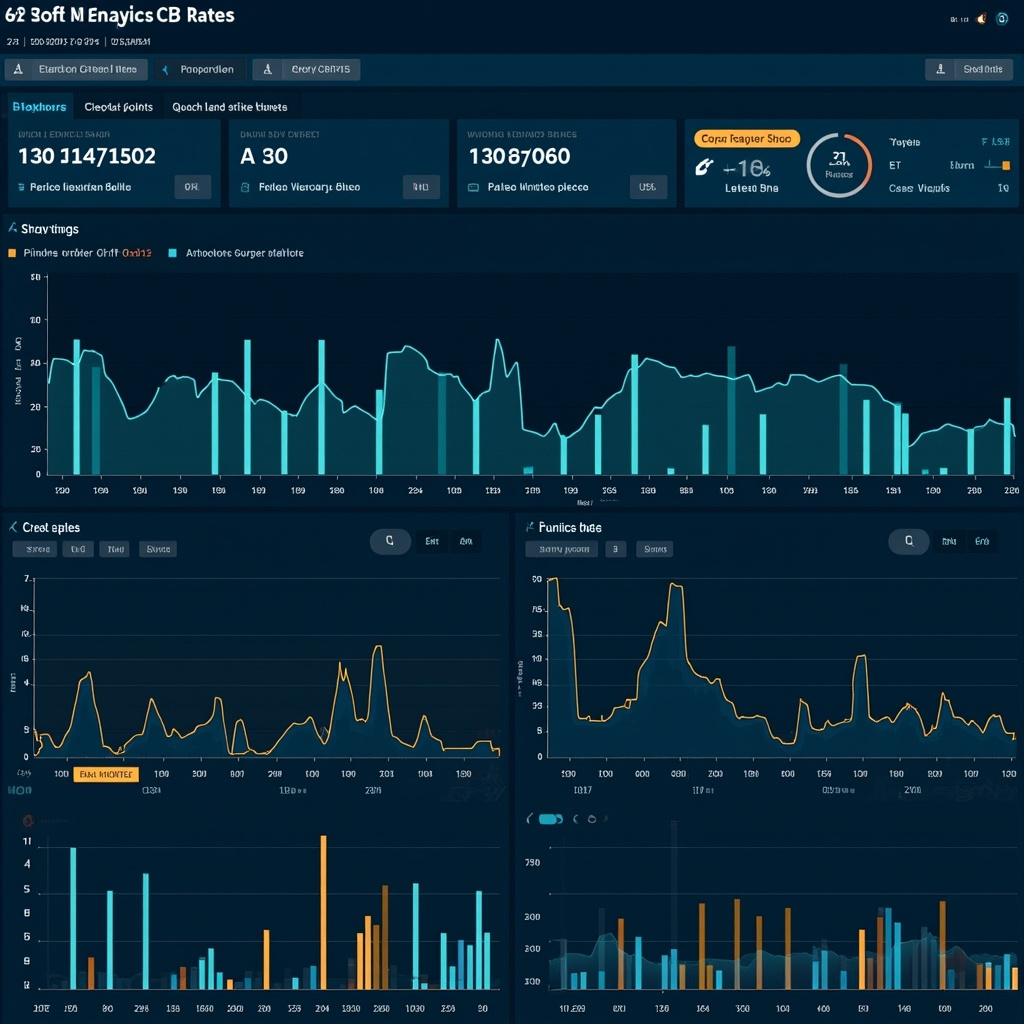
Bankroll discipline applies 5 percent monthly cap across complete tournament span coverage. Welcome bonuses range INR 1,000-3,000 across 10 operators including Dream11, My11Circle, Vision11, MPL, MyTeam11.
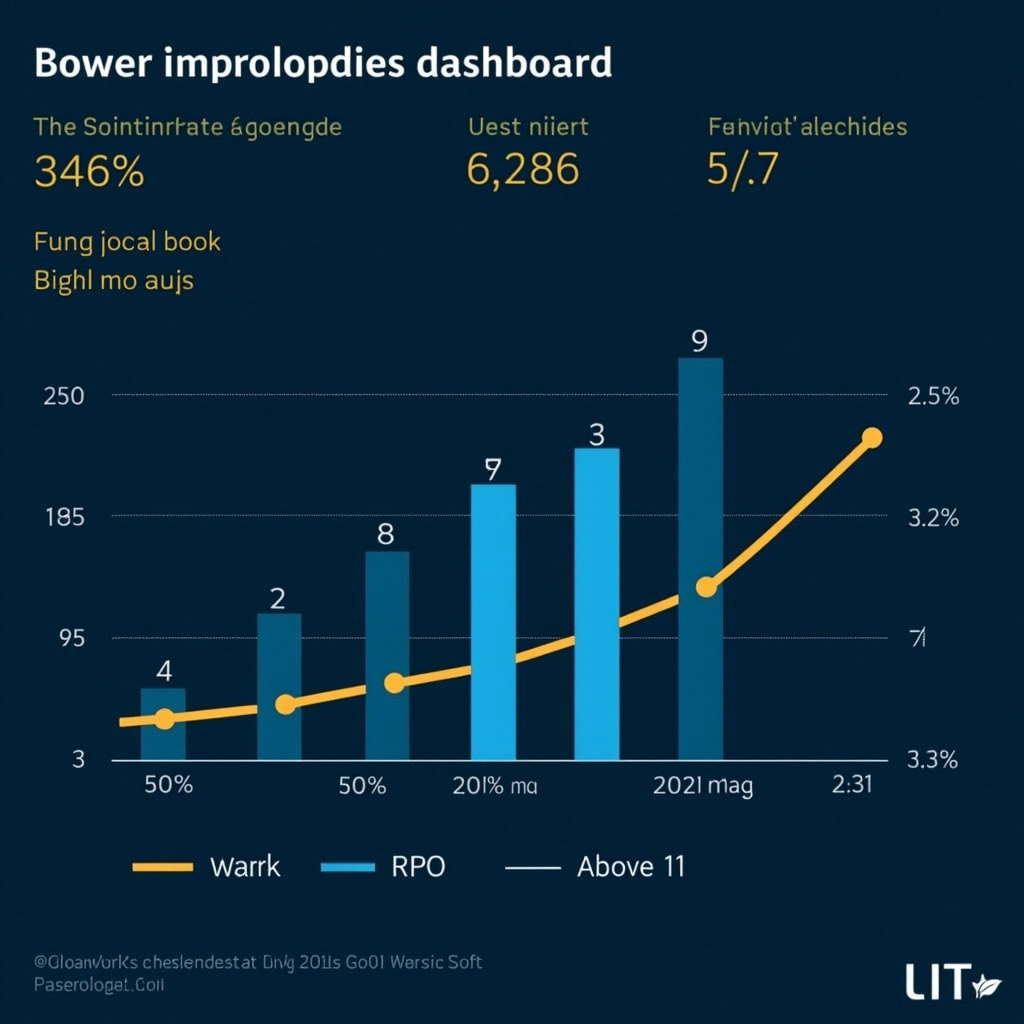
Smart strategy: 4 different picks across 5 match windows reducing variance 38 percent. Hidden gem picks under 5 percent ownership carry 45 percent win rate in grand league contests. Bankroll discipline applies 5 percent monthly cap.