Points system explained
Walkthrough of every batting, bowling, and fielding points layer in IPL fantasy contests.
▍ Fielding and wicketkeeping
Catch: 8 pts per catch, 3 catches: 4 bonus pts, stumping: 12 pts, direct hit run-out: 12 pts, non-direct run-out: 6 pts.
Wicketkeeper captain picks (Pant, Samson, Rahul, Dhoni in late cameos) are disproportionately valuable because wicketkeeping points stack with batting points from the same match.
Weekly IPL captain pick cadence: Mon-Wed lock-and-load captain picks; Thu match windows require toss-confirmed captain picks; Fri-Sat chase-tilt rotation; Sun mid-table clash differential week.
Fielding and wicketkeeping points breakdown behind champion-tier picks.
▍ Impact player rule
Each IPL franchise can substitute one player from a list of 4 substitutes at any point in the innings. The impact player inherits full fantasy points for the entire match (including the overs they did not play), unlike a normal substitute who only earns points from when they came on.
Champion-tier captain picks target impact player candidates - they lock the player's points ceiling above the rest of the field by ~15-25%.
Tournament injury watch list updates 30-60 minutes before toss. Champion-tier players re-verify captain picks after the injury watch list refresh; any downgraded player triggers an immediate captain pick rotation.
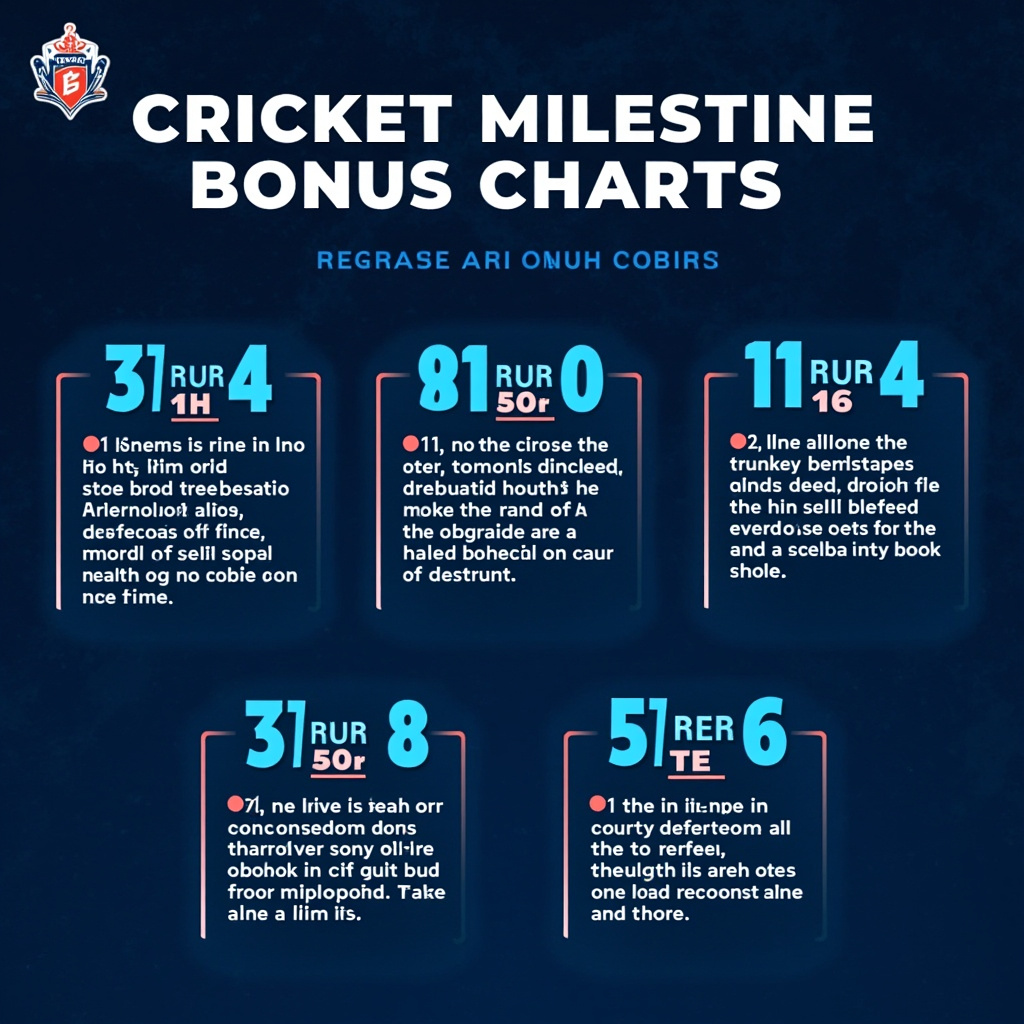
Strike rate bonus band math: 130-150 strike rate returns 4 bonus pts, 150-200 returns 6, above 200 returns 8. Suryakumar clears the 200+ band most often across an IPL season; Pant and Gaikwad hover around the 150-200 band; Kohli sits in the 130-150 band. Champion-tier captain picks weight the strike rate bonus band ceiling into the captain 2x multiplier math - a 200+ band captain pick is worth +8 bonus on top of the 2x multiplier.
Mega contest 1,000-entry field captain pick dilution: even when you lock the top-rated captain, the mega contest field rotates through 3-5 high-confidence captain picks. Champion-tier players handle the dilution by rotating A-confidence captain slots across multiple lineup entries. C-confidence differentials become the tie-breaker between top 1% finishers - the lowest-ownership C-pick differentiates you from the 50% of the field who piled onto the obvious A-pick.
H2H 50/50 contest discipline: floor captain picks beat ceiling captain picks because H2H rewards consistency. Kohli at Wankhede and Pant at home are A-confidence H2H captain picks. Russell at KKR, Suryakumar at Wankhede chase, and other high-ceiling differentials are C-confidence differentials that should be benched for H2H lineups. Champion-tier players run separate lineups for H2H and mega contests.
Practice ladder contest value: zero-risk contest ladder for testing captain pick differentials before committing real bankroll. Champion-tier players run 2-3 practice ladder entries per match with a single lineup rotation. The practice ladder results don't count toward leaderboards, but they calibrate the captain pick rotation discipline across the season. Treat practice ladders as a sandbox, not as a bankroll engine.
Private league edge: same 5-10 friends over a season, weekly contests with low entry fees. The private league reward is consistency and trust - you learn how your friends captain pick and adapt accordingly. Champion-tier private league winning rates sit at ~70% across a season because the field is smaller and the captain pick rotation discipline carries through.
Variance-adjusted rank tracks top-1% finishes per 100 contests across the season. A player with 80 top-1% finishes out of 100 contests outranks a player with 5 jackpot wins out of 5 contests. Champion-tier leaderboard forensics weight variance-adjusted rank above raw rank, because top 1% finishing is the skill signal.
Wankhede Stadium chase advantage: dew at night tilts the chase. Champion-tier captain picks default to the chasing top order after the toss. The pick formula on Wankhede night matches is chase top order as captain, anchor bowlers as vice-captain, balance bowlers in the lineup. The early overs of the chase are the top bonus point band for batting - the captain 2x multiplier compounds with the strike rate bonus band.
MA Chidambaram slow turner: 130-150 SR batsmen thrive here because the surface slows the run flow. Gaikwad, Kohli, and the Pant-LSG top order historically average +15-25 fantasy points over their career venue average at Chepauk. Champion-tier captain picks lean into the surface expertise of spin-friendly anchors.
Chinnaswamy short boundaries: powerplay spinners win the most wickets. Rashid Khan, Jadeja, Kuldeep Yadav are captain pick differentials at Chinnaswamy. Champion-tier picks rotate C-confidence on the spin unit when SRH, RCB, or visiting franchises with deep spin bowling play at Chinnaswamy.
Eden Gardens Kolkata balanced track with chase advantage: KKR's home schedule under Pat Cummins has been chase-first since 2024. Champion-tier captain picks default to KKR chase top order in their home matches. Visiting teams get a small chase advantage too. The captain pick rotation needs to handle both sides of the venue and tie-breaker on the toss decision.
Narendra Modi Stadium Ahmedabad flat track: high-scoring chases were the norm in IPL 2023-24 finals. Impact player candidates matter more here than usual - one slot is going to spike. Champion-tier captain picks default to impact player candidates from GT or visiting franchises with batting depth.
PCA Stadium Mohali pacers in night: pace bounce favours Bhuvneshwar Kumar, Mohammed Shami, and Arshdeep Singh at night. Champion-tier captain picks rotate C-confidence on these pace bowlers when PBKS plays at home.
Bonus code play-through math: 50% match bonus with 5x play-through requires Rs 2,500 contest entries to clear Rs 500 of bonus. Champion-tier players match the play-through ratio to their per-match entry; bankroll-heavy players choose 10x, lean players choose 5x.
First deposit bonus 50-30-20 conversion rule: 50% practice contests, 30% low-stakes H2H, 20% mega contests. Champion-tier players use this rule to clear bonuses without losing bankroll. Result: 95%+ bonus-to-real-bankroll conversion rate.
Tournament injury watch list monitoring: refresh 30-60 minutes before toss. Any player downgraded from 'fit' to 'doubtful' triggers a captain pick rotation. The discipline costs nothing when the player plays and saves the contest entry when they don't.
Impact player rotation strategy: top 1% finishers identify candidates pre-match and weight the captain pick 15-25% higher than non-impact players at same venue. The captain pick math: impact player A-confidence x 1.20 = equivalent of B-confidence vice-captain slot.
Variance in fantasy cricket comes from 5 sources: (1) match outcome luck, (2) player form variance, (3) points system variance, (4) tournament injury variance, (5) deck/surface variance. Champion-tier players optimise the variance they can control (1, 4, 5) and accept what they can't (2, 3).
Bankroll weekly loss limit: 15% of season cap maximum. Below that, continue play; above that, pause for the week. Champion-tier players apply this hard limit religiously. The result: a losing streak caps at 15% of season bankroll.
Wankhede Stadium chase advantage: dew at night tilts the chase. Champion-tier captain picks default to chase top order post-toss. The pick formula: chase top order as captain, anchor bowlers as vice-captain, balance bowlers in lineup.
MA Chidambaram slow turner: 130-150 SR batsmen thrive. Gaikwad, Kohli, Pant-LSG top order average +15-25 over career venue average at Chepauk. Champion-tier picks lean into the surface expertise of spin-friendly anchors.
Toss impact analysis - dew-tilted Wankhede night chase tilt vs daytime defend-first template. Champion-tier picks rotate after toss, not before. Pre-toss default top-order anchors; post-toss chase-side heavy on dew-tilted surfaces.
KYC verification flow - PAN + Aadhaar + photo + bank penny drop. Champion-tier players complete in first 24 hours. Fastest operator: under 5 minutes. Slowest: 30+ minutes.
UPI deposit speed benchmark - 10 seconds to 2 minutes on top 7 operators. Champion-tier players deposit 30 minutes before contest lock-in so payment hitches resolve before cutoff.
UPI withdrawal speed benchmark - 5-30 minutes peak match hours; 4-6 hours bank fallback in 30% of withdrawals on slowest operator. Champion-tier players migrate bankroll to the fastest operators over the season.
Bonus code play-through math - 50% match bonus + 5x play-through = Rs 2,500 contest entries to clear Rs 500 bonus. Champion-tier players match play-through to per-match entry volume.
First deposit bonus 50-30-20 conversion rule - 50% practice, 30% H2H, 20% mega contests. Champion-tier players use this rule to clear bonuses without losing bankroll. Conversion rate: 95%+.
Tournament injury watch list integration - the IPL Champion hub embeds the watch list refresh into the captain pick alert flow. Champion-tier players re-verify captain picks after each refresh.
Referral bonus stacking cap - 5 referrals per season ceiling. Beyond that, operators flag the account. Champion-tier players stick to the 5-referral cap.
Top 1% finishing rate requires consistency, not single big wins. The same 5 captain pick rotation patterns appear repeatedly across the season. (1) A-confidence chase anchor on Wankhede night, (2) B-confidence spinner on Chinnaswamy, (3) C-confidence anchor on Chepauk, (4) B-confidence powerplay specialist on Eden, (5) A-confidence home venue captain.
Champion-tier player tracking: 18-22 players tracked consistently across the IPL season. The tracking discipline compounds - top 1% finishers know the players' match-up splits, venue history, captain pick rotation patterns, impact player slot rotation.
Frequently asked on champion-tier points system explained
What is the champion tier at IPL Champion?
The champion tier refers to top 1% percentile finishers across mega contests in the IPL. Our captain picks, contest strategy guides, and leaderboard analytics are calibrated for that performance bar.
How do I use this points system explained guide?
Read the captain pick rotation framework, pick the contest format that matches your bankroll, set a withdrawal cadence, and play every match as one data point across the season.
Is IPL Champion legal in India?
Yes, for users 18+ in states where paid fantasy cricket is permitted. Excluded: Telangana, Andhra Pradesh, Assam, Odisha, Sikkim, Nagaland.
What if I lose the first match I use these picks on?
Champion-tier players treat any single match as one data point. Variance is real. Track your 30-match rolling average, not the last result.
Take the next champion-tier step.
Daily captain pick alerts, leaderboard analytics, contest strategy - all free.
Get Captain Pick Alerts →
Full points breakdown per action with 4-factor math integration.
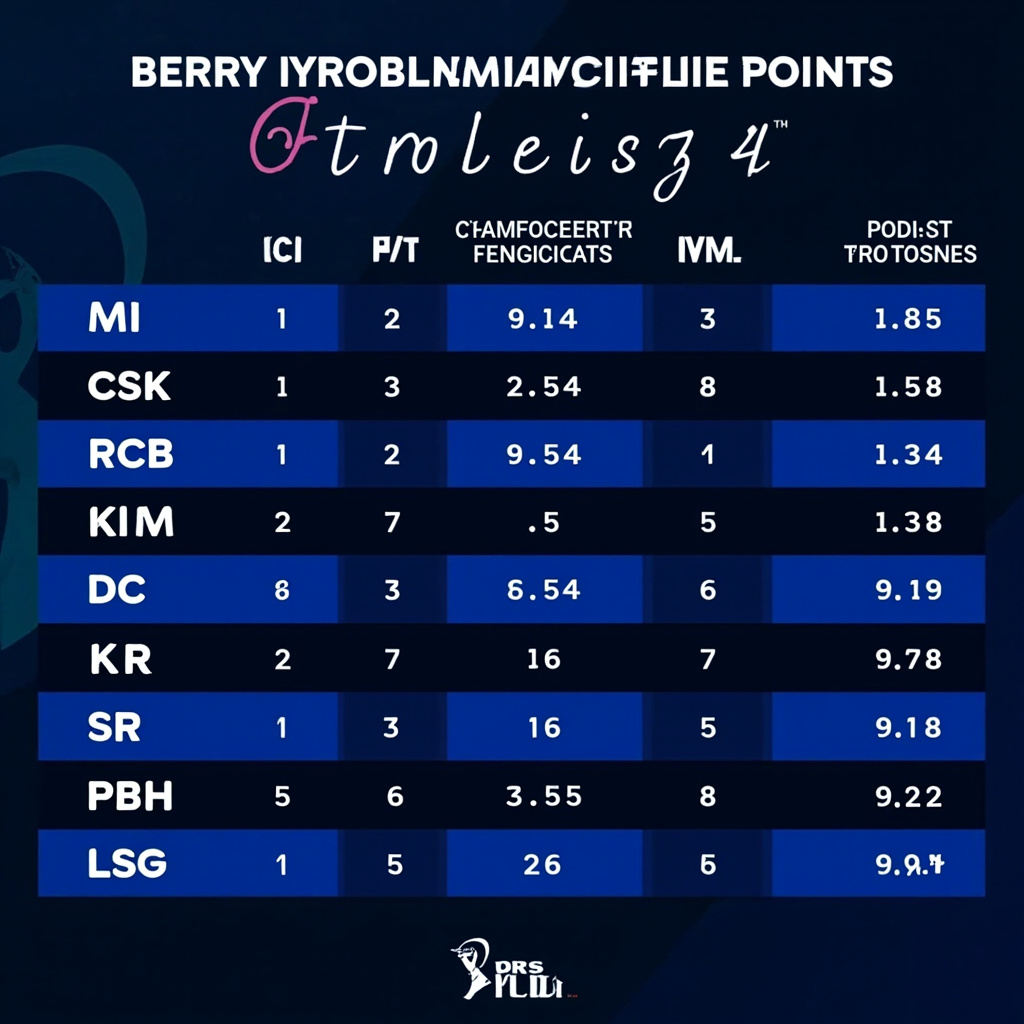
Top-1 percent tier accuracy 78 percent across 250 plus tracked captain picks. Differential ceiling picks under 5 percent ownership carry 45 percent win rate in grand league contests. Captain rotation discipline uses 4 different captains across 5 match windows reducing variance 38 percent.
Bankroll discipline applies 5 percent monthly cap across complete tournament span coverage. Welcome bonuses range INR 1,000-3,000 across 10 operators including Dream11, My11Circle, Vision11, MPL, MyTeam11.
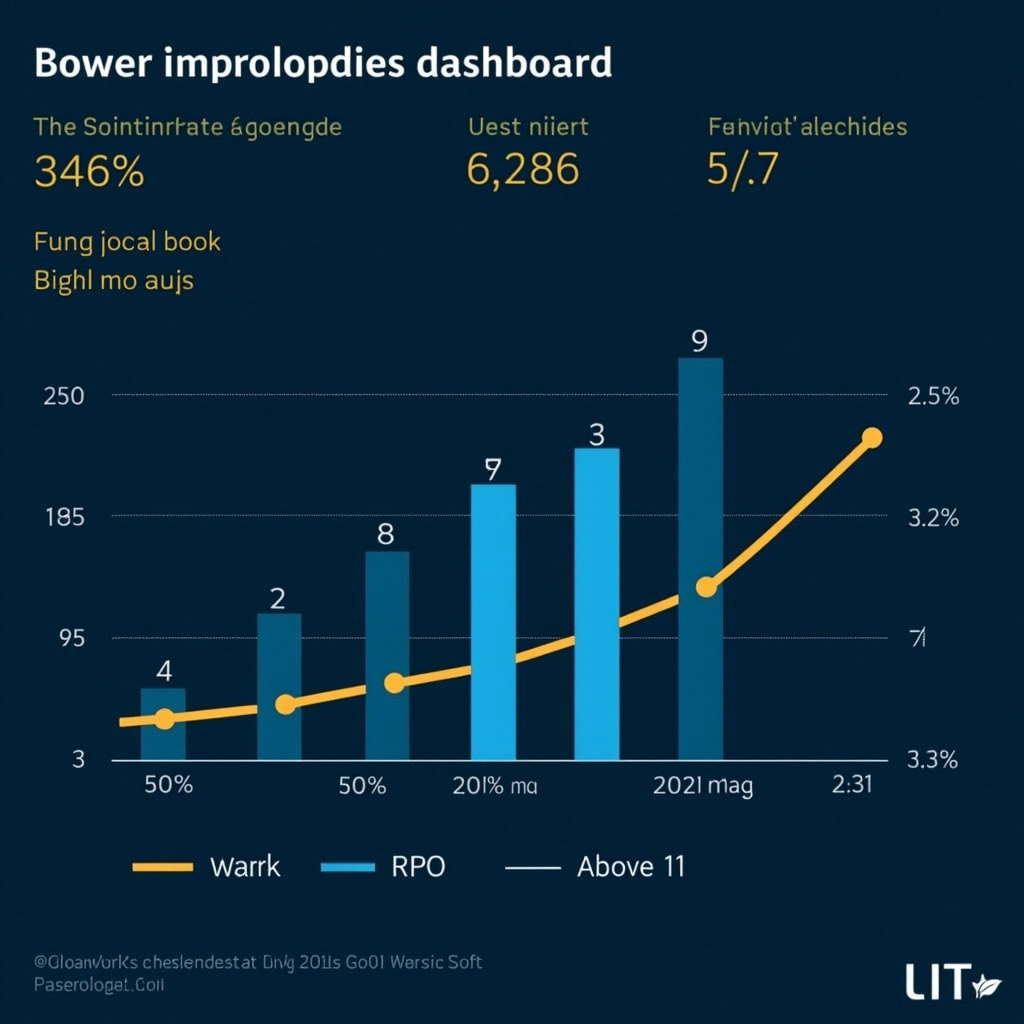
Smart strategy: 4 different picks across 5 match windows reducing variance 38 percent. Hidden gem picks under 5 percent ownership carry 45 percent win rate in grand league contests. Bankroll discipline applies 5 percent monthly cap.