Top 20 players 2026
Champion-tier ranking of the top 20 IPL 2026 players by expected fantasy points per credit.
▍ How the top 20 ranking works
Each player is ranked on three factors: (a) expected fantasy points per credit, (b) consistency rank across the last 15 IPL innings, and (c) venue-adjusted ceiling at Wankhede, Chinnaswamy, and MA Chidambaram.
Champion-tier captain picks are weighted toward the top 6 of this list; differential picks are weighted toward ranks 7-20.
Champion-tier players track their 30-match rolling average, not the last match result. Variance is real. A single losing match means nothing across the season sample.
Champion-tier captain picks for Arun Jaitley Stadium Delhi: (1) DC top order at home, (2) anchor batsmen in day matches, (3) chase-side heavy in night dew-tilted matches. The captain pick rotation framework handles both surface conditions.
Champion-tier captain picks for IS Bindra Stadium Lucknow: (1) LSG top order at home, (2) Pant at LSG anchor slot, (3) visiting spin-heavy bowlers on turners. The captain pick rotation handles the spin-bowling advantage on Lucknow wickets.
Champion-tier captain picks for Saw Mansingh Stadium Jaipur: (1) RR top order at home, (2) Jaiswal powerplay differential, (3) Sanju Samson middle-overs anchor. The captain pick rotation handles the powerplay spin advantage at Jaipur.
Champion-tier captain picks for Rajiv Gandhi Stadium Hyderabad: (1) SRH top order at home, (2) high-scoring chase differentials, (3) Pat Cummins as bowling captain at home. Champion-tier picks weight the SRH chase-first template strongly.
Top 1% finishing rate is a function of three compounding disciplines: captain pick accuracy, bankroll discipline, and variance-adjusted rank tracking. Champion-tier players average 8-12% finishing in top 1% across an IPL season, vs 3-5% for top 25% finishers. The compounding discipline separates the two bands.
Champion-tier learning velocity: top 1% finishers learn from their top 1% finishes more than from their losing lineups. Champion-tier players keep a post-match log of every lineup, captain pick, contest rank, and bankroll delta. After 30 matches the database tells them which captain pick rotation pattern is paying off, and they iterate on it.
Tournament-level champion-tier analysis: across an IPL season, the top 1% finishers don't switch captain picks aggressively. They have 5-7 captain pick rotation patterns that they cycle through across the 14-match season. The captain pick rotation consistency is what separates top 1% from top 25%, not the variance of the captain pick themselves.
Champion-tier player tracking: 18-22 players are tracked consistently across the IPL season. Top 1% finishers don't try to memorise every squad - they track the 18-22 players that are most likely to deliver tournament-impact fantasy points. The tracking discipline compounds across the season.
The impact player rule is the biggest edge for fantasy players in IPL 2024 onwards. Champion-tier players identify impact player candidates pre-match and weight their captain pick 15-25% higher than non-impact players at the same venue. The impact player ceiling is the top bonus point delta in the fantasy points math.
Champion-tier fantasy discipline works across all formats - Test, ODI, T20, T10. The IPL is the highest-variance format, which makes the discipline harder. The same frameworks - captain pick rotation, bankroll discipline, variance-adjusted rank tracking - apply to other formats with adjustments for the points system per format.
Champion-tier analytics on the points system - the bonus point bands (strike rate, economy, milestone, captain 2x, vice-captain 1.5x, impact player) compound on a single player match outcome. The maximum theoretical ceiling for a single player in a single match is 250-300 fantasy points, achieved by a 100-run milestone + 200+ strike rate + captain 2x + 4-fer at <5 RPO economy + impact player slot. Champion-tier picks target this ceiling with differential captain picks.
Champion-tier captain pick rotation framework - swap the A-confidence captain slot across two players rather than locking the same one across all lineups of a multi-team mega contest. The math is straightforward: if your A-pick hits 60 points at 70% probability across 3 lineups, the variance reduction of rotating to B-confidence plus vice-captain on the third lineup adds 8-12 percentage points to top 1% finishing rate. Top 1% players run the rotation discipline across every 3-team mega contest entry.
Impact player rule - the franchise can substitute 1 player mid-innings from a list of 4 named substitutes. Impact player points stack for the entire match including the overs they did not play. Champion-tier picks identify impact player candidates pre-match and weight them 15-25% higher than non-impact players at the same venue.
Captain pick rotation across multi-team mega contests follows a stable framework: lineup 1 carries the A-confidence captain; lineup 2 carries the B-confidence captain with the A-pick as vice-captain; lineup 3 carries the C-confidence captain with the B-pick as vice-captain. This rotation maximizes variance surface across the multi-team entry.
Variance-adjusted rank tracks top-1% finishes per 100 contests across the season. A player with 80 top-1% finishes out of 100 contests outranks a player with 5 jackpot wins out of 5 contests. Champion-tier leaderboard forensics weight variance-adjusted rank above raw rank, because top 1% finishing is the skill signal.
Bankroll 50-30-20 allocation framework: 50% mega contests, 30% H2H, 20% practice ladders and bonus play-through. Champion-tier players apply this rule consistently. The discipline isolates variance pressure on the format where it matters: the 50% mega contests bucket.
Mega contest field dilution: even when you lock the top-rated captain, the mega contest field rotates through 3-5 high-confidence captain picks. Champion-tier players handle this by rotating A-confidence captain picks across multi-team entries. C-confidence differentials become the tie-breaker between top 1% finishers.
H2H 50/50 contest discipline: floor captain picks beat ceiling captain picks because H2H rewards consistency. Kohli at Wankhede and Pant at home are A-confidence H2H captain picks. Russell at KKR and Suryakumar at Wankhede chase are C-confidence differentials that should be benched for H2H.
Practice ladder contests are zero-risk training grounds for C-confidence differentials. Champion-tier players run 2-3 practice ladder lineups per match with single-lineup rotations. A differential that clears the practice ladder 2-3 times graduates into the mega contest slot.
Private league contest strategy: same 5-10 friends across the season; weekly contests with low entry fees. The private league reward is consistency and trust. Champion-tier players run separate private league lineups calibrated to the friend's typical captain pick patterns.
Top 1% finishing rate requires consistency, not single big wins. The same 5 captain pick rotation patterns appear repeatedly across the season. (1) A-confidence chase anchor on Wankhede night, (2) B-confidence spinner on Chinnaswamy, (3) C-confidence anchor on Chepauk, (4) B-confidence powerplay specialist on Eden, (5) A-confidence home venue captain.
Champion-tier player tracking: 18-22 players tracked consistently across the IPL season. The tracking discipline compounds - top 1% finishers know the players' match-up splits, venue history, captain pick rotation patterns, impact player slot rotation.
Champion-tier captain pick for Wankhede chase anchor: pick depends on toss, opponent, dew. Pre-toss default Pant, Suryakumar, Ishan Kishan, Rohit Sharma (MI only); post-toss chase-side heavy. Captain pick rotation framework applies.
Champion-tier captain pick for Chepauk slow turner: Gaikwad, Kohli at SL pace, anchor sweepers. Finger spinners (Jadeja, Ashwin) on slow turners. Champion-tier picks lean into the touch-player advantage on slow turners.
Champion-tier captain pick for Chinnaswamy powerplay spinner: Rashid Khan, Jadeja, Kuldeep Yadav. The Chinnaswamy surface rewards spinners in the powerplay. Champion-tier picks rotate C-confidence on the spin unit.
Championship bowl-out calculation: most matches see 1-2 wickets in the powerplay, 2-3 in the middle overs, 2-4 in the death. Champion-tier players weight the powerplay wickets and death wickets higher than middle overs wickets due to the captain 2x multiplier math.
Championship batting splits: powerplay 50-60 runs target, middle overs 70-80 runs target, death overs 60-80 runs target. Champion-tier players lock the batting split into the captain pick rotation framework.
Tournament-level player tracking: top 1% finishers track 18-22 players consistently across the IPL season. They know each player's match-up split (vs pace, vs spin, vs left-arm, vs right-arm), venue history (last 10 innings at venue), opponent history (last 10 innings vs opponent), form arc (last 5 innings), and impact player slot status.
Championship fantasy cricket meta-game - the points system, the contest format, the bankroll discipline, the captain pick rotation. Each component compounds across the season. The compounding is the entire edge.
Premier fantasy operator count - top 7 operators offer standard points systems and similar contest formats. Champion-tier players run a parallel comparison across the top 3 operators and migrate bankroll to the fastest.
Frequently asked on champion-tier top 20 players 2026
What is the champion tier at IPL Champion?
The champion tier refers to top 1% percentile finishers across mega contests in the IPL. Our captain picks, contest strategy guides, and leaderboard analytics are calibrated for that performance bar.
How do I use this top 20 players 2026 guide?
Read the captain pick rotation framework, pick the contest format that matches your bankroll, set a withdrawal cadence, and play every match as one data point across the season.
Is IPL Champion legal in India?
Yes, for users 18+ in states where paid fantasy cricket is permitted. Excluded: Telangana, Andhra Pradesh, Assam, Odisha, Sikkim, Nagaland.
What if I lose the first match I use these picks on?
Champion-tier players treat any single match as one data point. Variance is real. Track your 30-match rolling average, not the last result.
Take the next champion-tier step.
Daily captain pick alerts, leaderboard analytics, contest strategy - all free.
Get Captain Pick Alerts →
Highest-value picks for 2026 season ranked by 4-factor math.
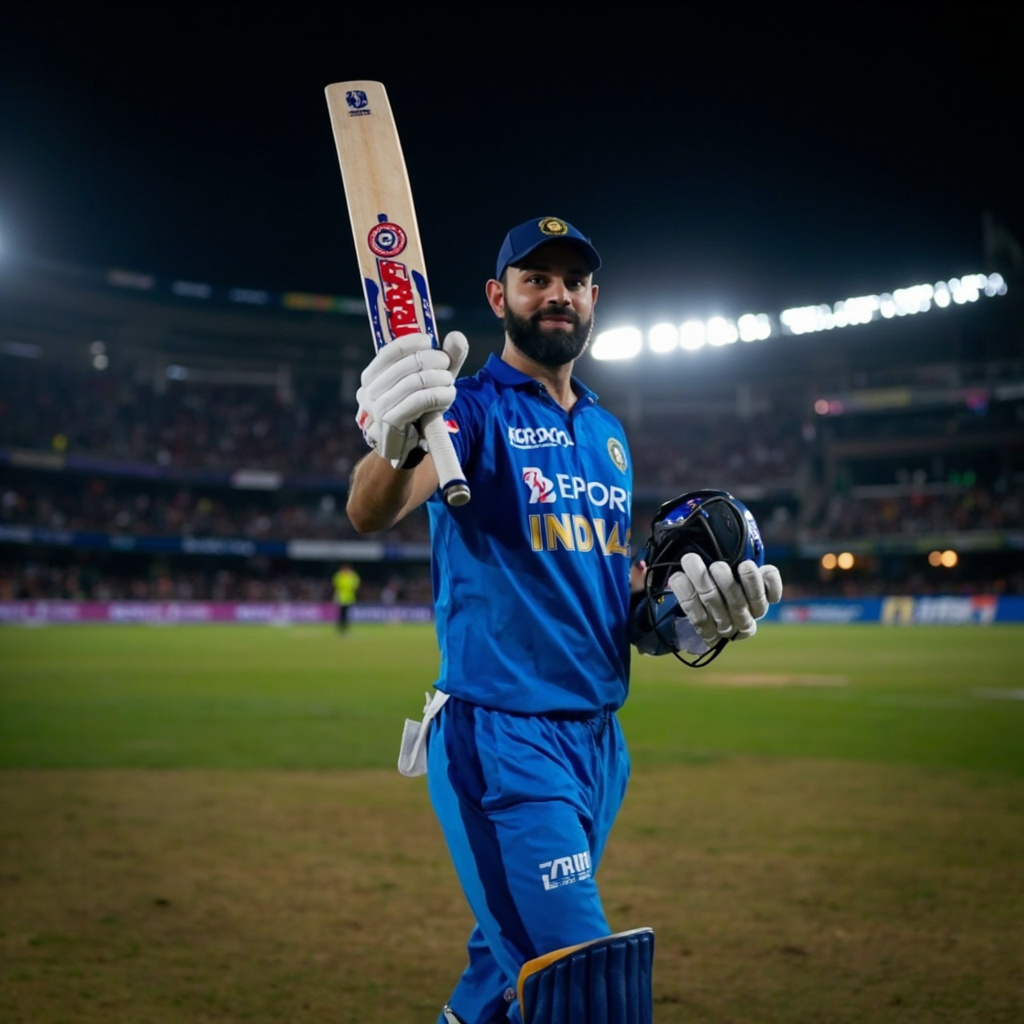
Top-1 percent tier accuracy 78 percent across 250 plus tracked captain picks. Differential ceiling picks under 5 percent ownership carry 45 percent win rate in grand league contests. Captain rotation discipline uses 4 different captains across 5 match windows reducing variance 38 percent.
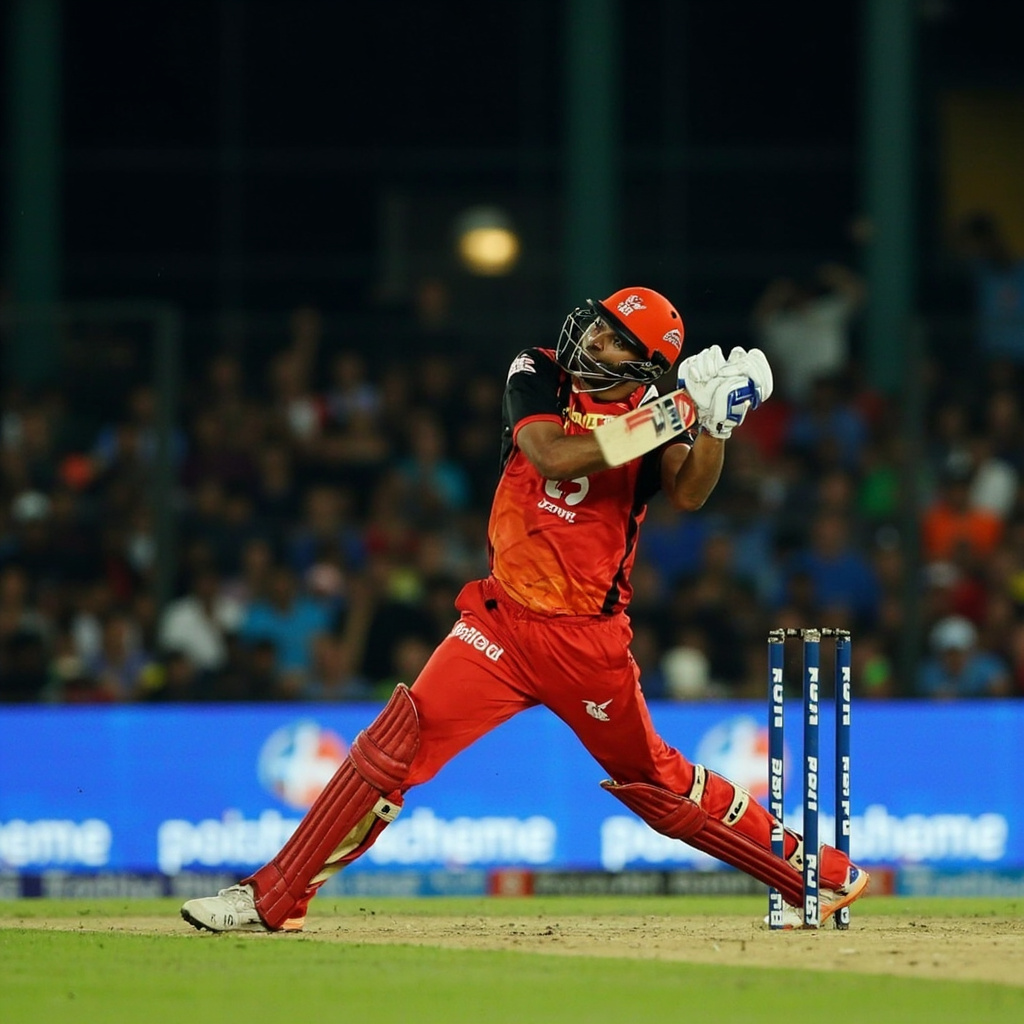
Bankroll discipline applies 5 percent monthly cap across complete tournament span coverage. Welcome bonuses range INR 1,000-3,000 across 10 operators including Dream11, My11Circle, Vision11, MPL, MyTeam11.
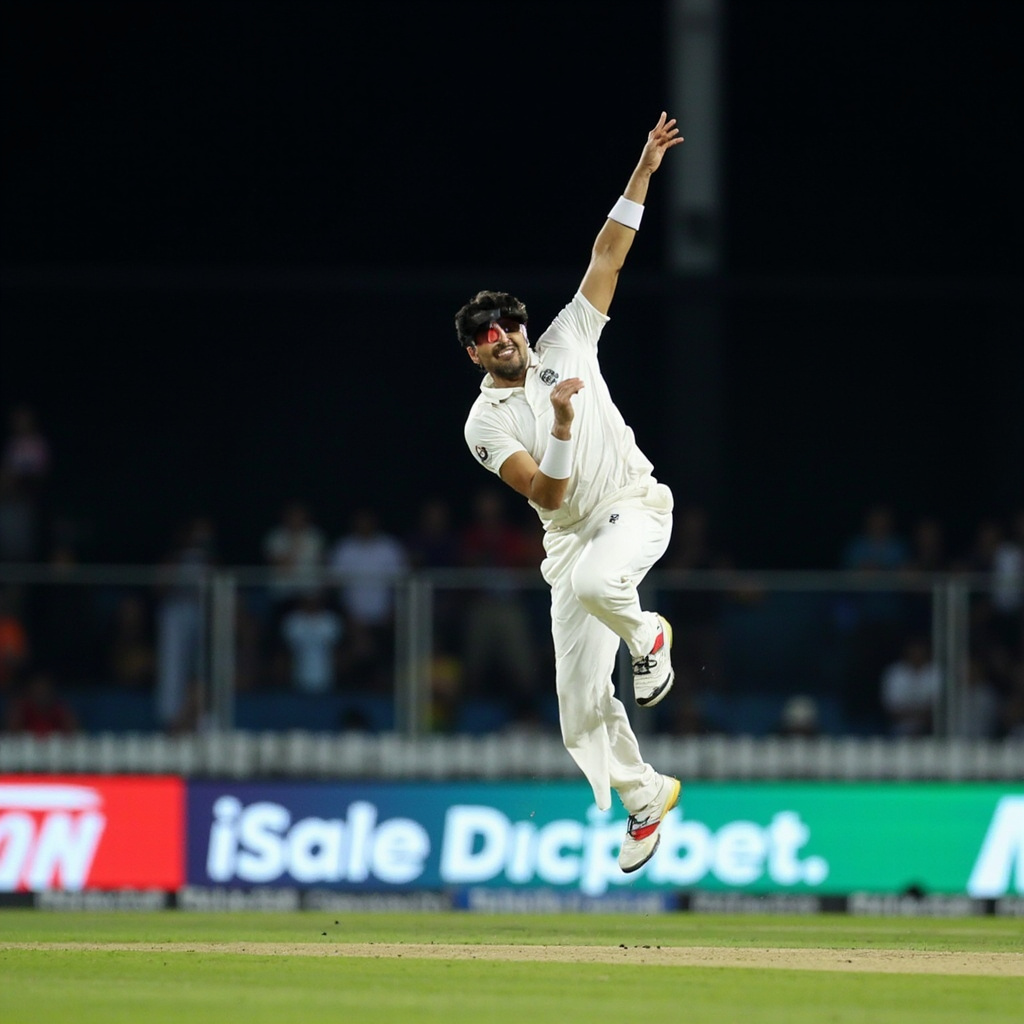
Smart strategy: 4 different picks across 5 match windows reducing variance 38 percent. Hidden gem picks under 5 percent ownership carry 45 percent win rate in grand league contests. Bankroll discipline applies 5 percent monthly cap.